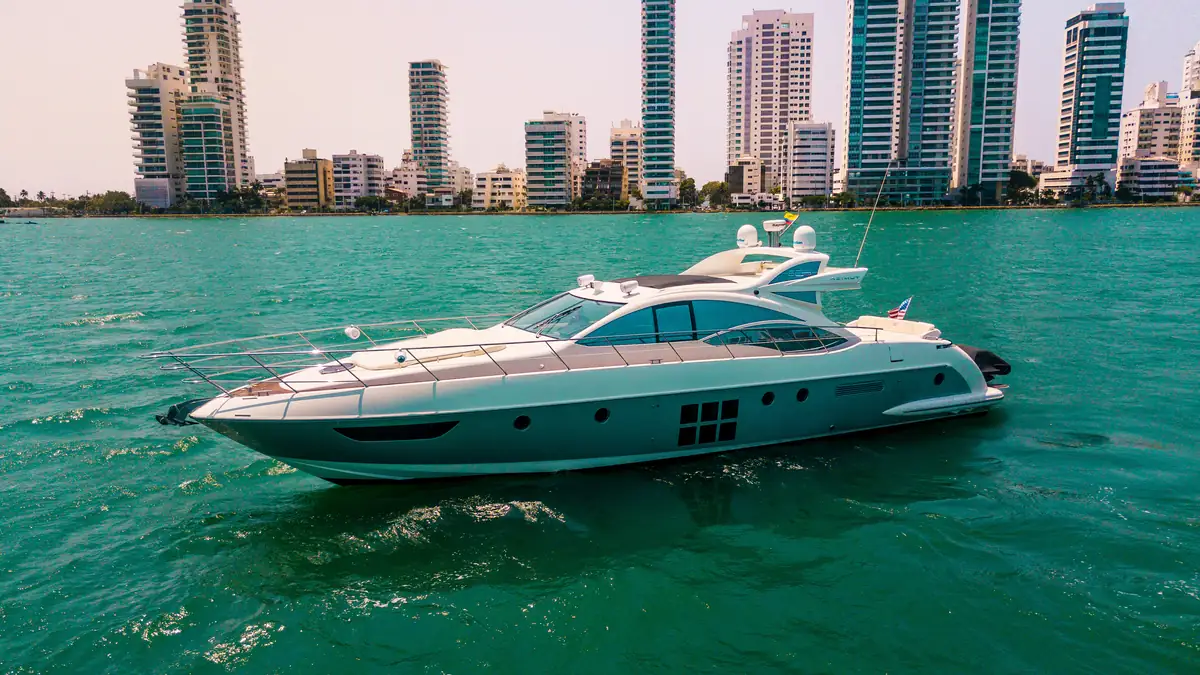
Renting a yacht for the first time sounds intimidating — but it doesn't have to be. Whether you're planning a day on the water in Miami, a sunset cruise around the Rosario Islands in Cartagena, a catamaran adventure near Cancún, or a private escape from Casa de Campo in the Dominican Republic, the process is simpler than most people expect. This guide walks you through every step, from choosing the right vessel to tipping your captain at the end of the day.
Step 1 — Decide What Type of Charter You Need
The first decision is the most important: do you want a bareboat charter or a crewed charter? If you're reading this as a first-timer, the answer is almost certainly a crewed charter — and that's exactly what companies like Nauty 360 provide.
Bareboat vs. Crewed Charter
A bareboat charter means you rent the vessel alone and captain it yourself. This requires a recognized sailing or powerboat license (such as an ASA or RYA certification) and significant on-water experience. It's a great option for experienced boaters — but it's not where most people start.
A crewed charter (also called a captain-included charter) means a licensed, experienced captain comes with the boat. You show up, relax, and enjoy. The captain handles navigation, anchoring, safety, and local knowledge — including the best snorkeling reefs, hidden coves, and dolphin-spotting routes. In the Caribbean leisure market, crewed charters are by far the dominant model, and no experience or certification is required on your part.
What's Included in a Captain-Included Charter
At Nauty 360, every charter includes the captain as standard. You'll never be handed keys and a map. The captain knows the waters — whether that's Biscayne Bay in Miami, the waters around Barú in Cartagena, or the channel between Cancún and Isla Mujeres — and their goal is to make your day exceptional.
Step 2 — Choose the Right Vessel Size
Yacht size is measured in feet, and choosing the right size for your group is one of the most common first-timer mistakes. The general rule is: comfortable capacity is always lower than maximum legal capacity. A boat that can legally hold 15 people will feel crowded with 12 if everyone wants to lounge comfortably.
- 30–40 ft vessels — Ideal for 2 to 8 people. Think couples, families, or small groups of friends. Great for day trips, sunset cruises, and snorkeling excursions. These boats are nimble and can reach spots larger vessels can't.
- 40–60 ft vessels — Best for 8 to 15 people. Perfect for birthday parties, bachelorette charters, and corporate team outings. Enough deck space for everyone to move around, plus a proper cabin for shade and restrooms.
- 60 ft and above — Large group charters of 15 to 30+ people. These are the party catamarans and mega yachts. Ideal for milestone celebrations or events where you want a floating venue rather than just a boat.
In Miami, pricing for a 40 ft vessel starts around $1,450 for a 4-hour charter (Nauty 360 Sea Ray 40 ft). In Cartagena, a private full-day charter starts from $680. Cancún catamarans for group day trips start at $1,850 for up to 15 guests, while Casa de Campo private speedboats to Saona Island start around $1,750. Prices vary by season, vessel, and duration — always ask for a quote that specifies exactly what's included.
Step 3 — Understand What You're Actually Paying For
A yacht charter price quote is rarely all-inclusive, and understanding the components will help you budget accurately and avoid surprises. Here's what's typically included — and what usually isn't.
What's Typically Included
- Base rate: The vessel, the captain, and standard safety equipment (life jackets, flares, first aid kit).
- Fuel: Most all-in charters include fuel for the agreed itinerary. If you want to extend the cruise or reach a more distant destination, there may be a fuel surcharge.
- Basic amenities: A cooler, Bluetooth speaker, and sometimes a freshwater shower (on larger vessels).
What's Usually Extra
- Food and drinks (provisioning): Most charters are BYOB or offer provisioning add-ons. A standard add-on package might include a cooler stocked with beer, water, soft drinks, fruit, and snacks for $25–$50 per person.
- Water toys: Snorkeling gear, paddleboards, floating mats, and inflatable water slides are often available for an additional fee of $50–$150.
- Fishing tackle: If you're booking a fishing charter, ask whether rods, reels, bait, and fishing licenses are included. Many operators provide full tackle packages for $50–$100.
- Airport or hotel transfer: Some companies offer ground transportation to the marina — useful in Cartagena and Cancún, where the marina may be 20–30 minutes from the hotel zone.
- Gratuity: The captain's tip is optional and is not included in the base rate. See the FAQ below for more on tipping.
Step 4 — Read the Contract Before You Sign
A legitimate charter company will always provide a written agreement. Here's what to look for before you put pen to paper — or click confirm.
Cancellation policy: Most reputable operators offer a full refund if you cancel 7 or more days before the charter date, and a partial refund (50%) for cancellations 3–7 days out. Within 72 hours, deposits are typically non-refundable. Make sure you understand the policy for your specific booking.
Weather policy: This is critical. A good contract will specify what constitutes "unsafe weather" (usually sustained winds above 20 knots or active lightning within 10 nautical miles), who makes the call (the captain), and what happens next (reschedule at no charge, or a refund if no suitable date is available). Be wary of any company that does not have a clear weather clause.
Damage deposit: Most charters hold a credit card authorization of $200–$1,000 as a damage deposit at the start of the day. This is not charged unless there is actual damage caused by the guests. The hold is released within 3–5 business days after the charter ends with no incidents.
Liability clauses: You'll typically sign an acknowledgment that you understand basic maritime safety rules — no diving from the bow, no operating the vessel, no excessive alcohol before water activities. These are standard and protect everyone on board.
Step 5 — Plan Your Itinerary with the Captain's Help
One of the most underrated benefits of a crewed charter is access to your captain's local knowledge. Don't show up with a rigid plan — arrive with a wish list and let the captain optimize it based on conditions, tides, and the best spots for the day.
Tell your captain what matters most to you: swimming and snorkeling, a quiet anchorage for lunch, dolphin watching, a particular beach or island, or just cruising with music and a drink in hand. A good captain will build the best possible day around your priorities. In Cartagena, that might mean timing the Rosario Islands run to avoid afternoon swells. In Miami, it could mean heading to the sandbar at Haulover or cruising past Star Island before anchoring off Key Biscayne.
Departure and return times matter too. Most full-day charters run 6–8 hours, typically from 9 or 10am to 4 or 5pm. Half-day charters are 3–4 hours and can be morning or afternoon (sunset cruises are a half-day option). Plan to arrive at the marina 15–20 minutes early — the clock starts at your agreed departure time, not when you show up.
Day-of Tips Every First-Timer Should Know
You've booked the charter, the day has arrived — here's how to make the most of it.
- Apply sunscreen before you board. Aerosol sunscreen is banned on most charter boats because it coats the deck and makes it dangerously slippery. Apply your sunscreen at the hotel and bring a rub-in lotion for reapplication.
- Pack light and pack soft. Hard-sided luggage is not allowed on most boats — it damages the deck and takes up space. Bring a soft-sided bag or dry bag. Essentials: towel, sunscreen, sunglasses, hat, reef-safe sunscreen, and a change of clothes for the drive home.
- Drink responsibly. It's a celebration — but the sun, sea air, and rocking of the boat amplify alcohol's effects much faster than on land. Pace yourself, stay hydrated, and make sure anyone entering the water is sober enough to do so safely.
- Listen to the captain. When the captain gives a safety briefing or asks everyone to sit during a turn, it's not just protocol — it's for your safety. Follow instructions promptly and without debate.
- Tips are optional. The captain's tip is optional; if you want to thank the crew, cash at the end of the day is the easiest way.
- Take photos — but put the phone down too. It's easy to spend the whole day filming. Make a point of spending at least an hour fully present — in the water, watching the horizon, or just talking with your group. The memories you carry in your head will outlast the ones on your phone.
Booking Your First Charter with Nauty 360
Nauty 360 operates private yacht charters in Miami, Cartagena, Cancún, and Casa de Campo in the Dominican Republic. Every charter includes a licensed captain, and our team responds to inquiries within 2 hours. Whether you want a luxury 50-foot sportfish for deep-sea fishing in Miami, a catamaran for a Rosario Islands day trip from Cartagena, or a private speedboat to Saona Island from La Romana, we'll match you with the right vessel and build the perfect itinerary.
You can book directly through our reservations page or reach us on WhatsApp at +1 (954) 890-0266. Tell us your destination, your dates, your group size, and what you want to do — we'll take care of everything else.