Tulum Yacht Rental Prices 2026: Complete Guide to Private Boat Costs
What determines the cost of a private charter in Tulum — captain, crew, and fuel always included — plus the fees most operators don't mention upfront.
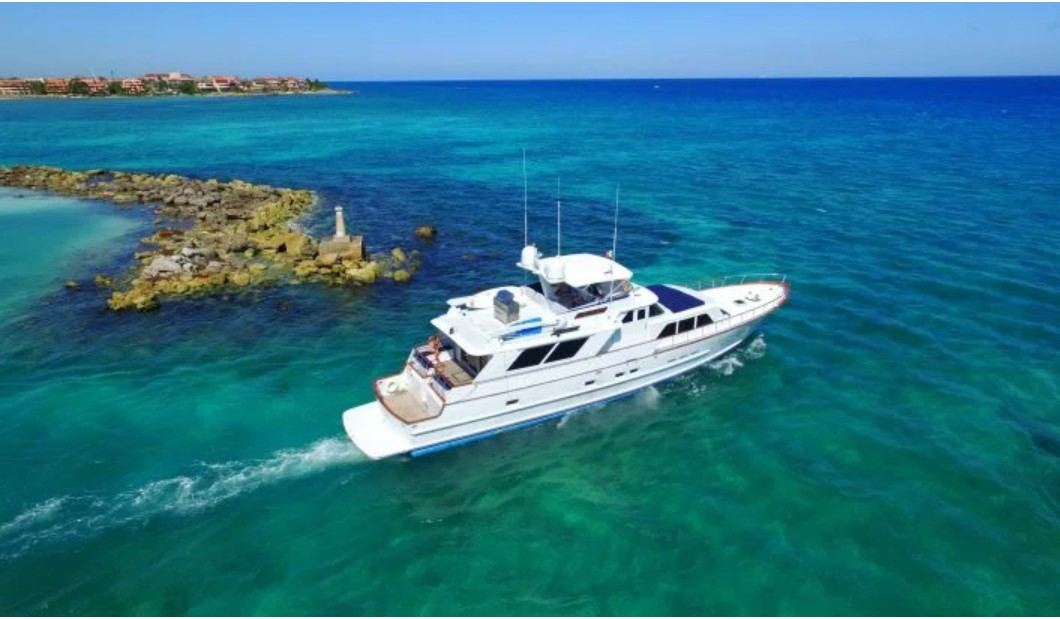
Searching for Tulum yacht rental prices returns a wide range of numbers and almost no explanation for why they differ. Some operators quote under $2,500 for what looks like a comparable boat. Others charge $6,000 and don't list what's included. The difference is not always the vessel — it is the crew configuration, the season, and a handful of mandatory fees that surface after you say yes.
This guide breaks down every variable that determines what you actually pay for a private boat rental in Tulum in 2026: the hidden costs that experienced travelers budget for, and how Tulum compares to Cancún and Cartagena as charter markets. Whether you are planning for a couple, a group of friends, or a large family, this guide will help you know what to budget for beyond the base charter price. For current rates and the full fleet, see nauty360.com/tulum.
What's Included in a Tulum Yacht Charter
Every Nauty 360 Tulum charter includes the following, regardless of vessel tier:
- Certified captain and crew — bilingual (Spanish/English), with specific knowledge of Akumal reef regulations and Sian Ka'an protected zone rules
- Fuel for the agreed route
- Life jackets and safety equipment for all guests
- Cooler with ice
- Snorkel gear on most charters (mask, fins, vest)
- Exclusive use of the vessel — no shared passengers
What is not included in the base price:
- National park or protected area entry fees (Akumal) — paid directly to rangers
- Personal drinks and food beyond what you bring or order as an add-on
- Jet ski or equipment rentals beyond standard snorkel gear
- Crew gratuity — 15–20% is standard and expected
- Photographer add-on service
The fee most operators don't mention: All Tulum charters are subject to a mandatory $20 USD per person dock tax, paid in cash directly at the marina the day of departure. For a group of 10, that is $200 USD that will not appear in any charter quote. Your captain will brief you before arrival. Budget for it.
Additional Costs to Budget For
Beyond the base charter price and the protected area fee, here are the most common add-ons and third-party costs that experienced Tulum charter guests plan for in advance:
- Snorkel gear rental: $15–25 per person if not included in your charter package
- National park and reef area fees: $5–15 per person depending on the protected zone
- Open bar package: coordinated through an outside vendor after you book, priced separately
- Catering and food: coordinated through an outside vendor after you book, priced separately
- Photographer add-on: coordinated through an outside vendor after you book, priced separately
- Cenote entrance fees: $15–25 per person, charged by cenote operators separately
- Crew gratuity: 15–20% of the total charter price is standard
Private Charter vs. Shared Tour in Tulum
The decision between a private charter and a shared group tour is primarily about group size and priorities. Here is the direct comparison:
| Factor | Shared Tour | Private Charter |
|---|---|---|
| Starting price | $80–120 per person | See current rates at nauty360.com/tulum |
| Privacy | None (20–40 strangers) | Exclusive vessel |
| Route | Fixed, operator-set | Fully customizable |
| Schedule | Fixed departure and return | Flexible timing |
| Music and alcohol | Restricted or unavailable | Your choice |
| Photo stops | Group pace | Your pace |
For groups of 8 or more, private charter cost per person often matches or beats premium shared tours — with the full vessel to yourselves, a custom route, and no strangers. For smaller groups of 2–4 people who are flexible on schedule, a shared tour offers better value. For the full fleet and availability calendar, see yacht rental in Tulum.
Best Destinations for a Tulum Yacht Day
The Mesoamerican Barrier Reef
The second-largest coral reef system in the world runs just offshore from Tulum. Private yachts can access snorkel spots well away from the crowded tourist boats that work the same route on fixed schedules. Brain corals, staghorn, and elkhorn structures are present in as little as 1–2 meters of water — accessible without scuba equipment. Water clarity peaks December–April with visibility up to 25–30 meters. Best for: underwater photography, morning snorkel sessions, groups with mixed swimming abilities.
Akumal Bay — Sea Turtle Snorkeling
Akumal Bay, a 20–30 minute cruise north of most Tulum departure points, is one of the most reliable places in the world to snorkel with wild sea turtles year-round. Green sea turtles feed on the seagrass in the bay in water between 1 and 4 meters deep — no diving required. Private charters can time arrival at dawn before the public crowd arrives and before the mandatory park capacity limits fill. A $20 USD per person dock tax applies separately at the marina and is not part of any charter quote. Your operator handles the coordination and briefing. Best for: families, wildlife photographers, first-time snorkelers.
Sea-Access Cenotes
Some cenotes near Tulum's coast have boat-accessible entry points, offering a way to transition from saltwater Caribbean to freshwater underground swimming from the same vessel. This is one of the genuinely unique experiences in the Tulum area — very few coastal destinations in the world allow you to anchor offshore and then swim into a cave system from the sea side. Not all cenotes allow this access; your captain knows which entry points are currently open and permitted. Best for: adventurous groups, experienced swimmers, repeat visitors to Tulum who have already done the standard reef route.
Secluded Caribbean Beaches South of Tulum
The coast south of Tulum toward Punta Allen passes through Sian Ka'an Biosphere Reserve — a UNESCO World Heritage site and one of the largest protected coastal areas in Mexico. The beaches in this zone are accessible only by boat, undeveloped, and practically empty even during peak season. White sand, turquoise water, no beach vendors, no infrastructure. A half-day or full-day anchor stop here is the kind of experience that doesn't have a crowd to compete with. Best for: couples, small intimate groups, anyone specifically seeking isolation.
Sian Ka'an Eco-Route
A full-day charter can dedicate the afternoon to a slow navigation through the Sian Ka'an lagoon system — mangrove channels, manatee habitat, flamingo zones, and the remains of a 1,000-year-old Maya canal that pre-Columbian traders used to move goods through the peninsula. This is not a standard charter add-on — mention it when booking so the team can plan the route. Best for: groups interested in nature and cultural history over beach time.
Best Time to Rent a Yacht in Tulum
Tulum's charter market follows a clear seasonal pattern that affects both availability and price. Understanding it helps you either avoid the premium window or book the best value period:
- December–April (peak season): Calm seas, water visibility 25–30 meters underwater, no rain. International tourism at its annual peak. Book 5–6 weeks ahead for weekend dates. Best conditions of the year for reef snorkeling and photography.
- May–June (shoulder): Occasional afternoon rain but typically calm mornings. 30% fewer tourists on the water, same fleet. Morning charters (departing 7am, returning by 1pm) avoid the afternoon rain window entirely. Good value period.
- July–August (second peak): School holidays drive demand up. Domestic Mexican tourism adds to the load. Book 4–5 weeks ahead. Note: whale shark season runs in Cancún waters July–September, not from Tulum. For whale sharks, the departure point is Cancún, not Tulum.
- September–October (hurricane season): Not recommended for offshore routes. Some operators pause or reduce fleet operations. If your trip falls in this window, confirm conditions with your operator at least 72 hours before departure.
- November (transition): Weather improving, demand dropping after summer. Good availability, no surcharge. Often the best value month of the year to charter in Tulum.
Best overall window for conditions: January through March for calmest Caribbean seas and peak underwater visibility.
How to Book a Tulum Yacht Charter
The booking process for a private charter in Tulum does not require an elaborate lead time for most dates. Here is how it works:
- Confirm your group size. See the full fleet and current options at nauty360.com/tulum.
- Choose your charter duration. Half-day works well for Akumal Bay only; a full day is needed for reef plus cenote or south coast beaches.
- Confirm what's included and select add-ons. Open bar, catering, photographer, cenote permits — all available if arranged before departure, not on the day.
- Get written confirmation with captain name and departure details. No vague "a boat will pick you up" — you want a specific vessel name, captain, and dock location before you arrive.
- Arrive at the dock 15–20 minutes early. Tulum's marina can be tricky to navigate for first-timers. Give yourself the buffer.
To book direct and compare available vessels: yacht rental in Tulum at nauty360.com/tulum. For price comparison with the Mexican Caribbean's largest charter hub, see the Cancún private boat page. For an international comparison with another top private charter destination, the Cartagena charter page shows how Caribbean prices differ by market.
Captain, crew, and fuel always included on every private charter in Tulum. Confirmation within 2 hours. See current fleet and rates at nauty360.com/tulum.
WhatsApp: Get a Tulum QuoteFrequently Asked Questions
Related Guides
Rent a Boat in Tulum: Types, Prices & What to Know
Full breakdown of boat types, routes, and what to expect on a private Tulum charter from departure to return.
Read GuideTulum Yacht Rental: Private Charters & 2026 Fleet
Fleet overview, departure points, and availability for private yacht charters in Tulum this season.
Read GuideCancún vs Tulum: Which Private Charter Is Right for You?
Price comparison, destination differences, and how to choose between the two biggest charter hubs in the Mexican Caribbean.
See Cancún Charters