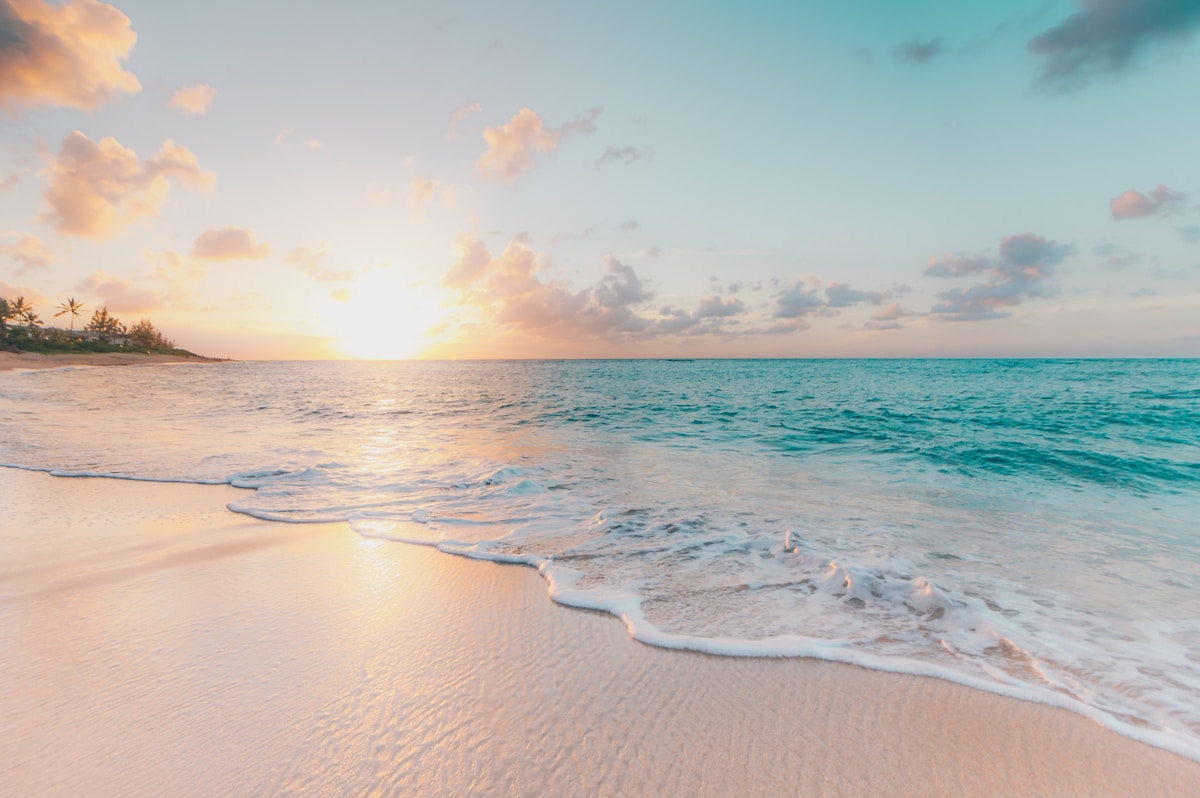
If you ask anyone who has visited Cartagena what the single most jaw-dropping moment of their trip was, the answer is almost always the same: the first glimpse of Playa Blanca on Barú Island. A stretch of powdery white sand bordered by palms on one side and a sea that shifts from cobalt to emerald to the palest possible turquoise on the other — it sounds like a screen saver. It isn't. It's real, it's about 35 minutes from Cartagena, and getting there by private boat is one of the best decisions you'll make in Colombia.
This guide covers everything you need to plan a Barú Island boat tour from Cartagena — how to get there, what to see, realistic prices, the best time to go, and exactly what a full-day private charter looks like from departure to sunset return.
Getting to Barú: Private Boat vs. Shared Lancha vs. Road
There are three ways to reach Barú Island from Cartagena, and they are not equal. Understanding the differences will help you choose the right option for your group.
Shared lancha (colectivo boat)
The classic budget option, run by third parties. Shared lanchas leave from the old city and drop you at a fixed spot on Playa Blanca along with many other tourists arriving at the same time, so the beach is much more crowded.
By road via the Canal del Dique bridge
A landside route to Barú does exist: a road connects the peninsula to the mainland via a bridge, though the last stretch to Playa Blanca is unpaved and can be rough. This option makes sense if you genuinely cannot be on a boat, but it bypasses all the marine beauty of the journey itself.
Private boat charter
The premium option — and the one most travelers wish they'd booked from the start. A private speedboat from Cartagena reaches Barú's Playa Blanca in approximately 35 minutes, as a stop on Nauty 360's Full Day charter (9:00 AM–5:00 PM) to the Rosario Islands — Playa Blanca is not booked as its own separate trip. You and your captain decide how much of the day to spend at each stop. Full Day pricing starts at $680 for a speedboat (up to 10 guests), from $1,250 for a larger speedboat (40 ft+), from $2,480 for a 42 ft catamaran, and from $2,850 for a yacht (60 ft+). See the Rosario Islands private boat page for the full itinerary.
What to See on Barú Island
A private Full Day charter that stops at Playa Blanca can, depending on conditions and your group's priorities, take in other stops along the Rosario Islands route — all within the same 9:00 AM–5:00 PM day.
Playa Blanca
The anchor of the Playa Blanca stop. The beach runs for more than two kilometers and faces westward — which means afternoon light is perfect for photographs and sunsets are genuinely spectacular. The northern end of the beach tends to be busier with vendors and day-trippers; private boat guests can anchor further along for more solitude. The water is shallow enough for safe swimming for children and non-swimmers alike.
How the Full Day Charter Works
Nauty 360's Full Day charter runs 9:00 AM to 5:00 PM (8 hours), departing from a Cartagena marina that depends on the boat. The usual order is Rosario, Cholón, then Playa Blanca, and it can be changed if you ask. Playa Blanca is one of the stops on the Rosario Islands route — your captain builds the day around your group's priorities, whether that means more time snorkeling at the Rosario Islands or more time at Playa Blanca. There is no fixed minute-by-minute schedule; talk to your captain about how you want the day split.
Pricing Guide: Private Speedboat, Catamaran, and What's Included
Transparency about pricing in Cartagena's boat rental market can be frustrating. Here's what you'll realistically pay in 2026 for the Full Day charter that includes a stop at Playa Blanca:
Private speedboat (up to 10 guests)
The most common option for groups of up to 10 people. A center console or lancha-style speedboat for the Full Day (8 hours, 9:00 AM–5:00 PM), which includes a stop at Playa Blanca, starts at $680 USD total. For groups that need more space, a larger speedboat (40 ft+) starts at $1,250. Both prices include captain, fuel and ice. There is no separate park entrance fee at Playa Blanca on a private Nauty 360 charter.
Private catamaran (up to 20 guests)
For larger groups or those who simply want more deck space, comfort, and shade, a private catamaran charter for the Full Day starts at $2,480 (42 ft). Catamarans are slower but far more comfortable for a relaxed group experience. They're ideal for bachelorette parties, corporate groups, and families with young children. For the largest groups, a yacht (60 ft+) starts at $2,850.
What costs extra
Be clear with your operator about what's included. Common extras include coolers, catering packages, and stand-up paddleboards or kayaks on the back deck — ask Nauty 360 for current pricing on any of these. Booking directly also avoids the agency commission fees that a hotel concierge or third-party platform typically adds.
Best Time to Visit Barú by Boat from Cartagena
Cartagena has two seasons: a dry season (December through April, with a secondary dry window in July–August) and a wet season (May–June and September–November). For a Barú Island boat tour, timing matters for both weather and crowd reasons.
December through April is peak season and the best time to be on the water. Trade winds keep conditions fresh without being rough, seas average 1–2 feet, and visibility underwater can reach 15–20 meters on good days. This is also high tourist season, which means Playa Blanca can get genuinely crowded by mid-morning — all the more reason to depart early.
July and August are a good secondary window. The so-called "veranillo de San Juan" (a brief dry spell in late June and July) brings calm, clear conditions. Crowds are lighter than the December–April high season.
October and November are the months to avoid if possible. The rainy season peaks during this period, with afternoon downpours and reduced underwater visibility. That said, mornings are often calm even in October, and operators will still run if conditions are safe.
One tip regardless of season: the Full Day departs at 9:00 AM sharp. The shared-tour lanchas arrive at Playa Blanca in waves later in the morning. The hour before 10:00 AM on Playa Blanca is a genuinely different experience — serene, unhurried, and beautiful.
Food and Beach Vendors on Playa Blanca
Playa Blanca on Barú Island is not a remote, undeveloped beach — vendors and small rancho restaurants line a significant stretch of it, and it gets busy. Here's what to expect so you're not surprised:
The ranchos (beach restaurants with thatched roofs) serve fresh seafood cooked to order, including fried fish, coconut rice, patacones, and ceviche de camarón (shrimp ceviche). The fish is genuinely fresh — boats bring it in from local fishermen in the morning. Ask about current prices when you order.
Vendors along the beach sell handcrafted jewelry, hammock chairs strung between palms, and fresh coconut water opened right in front of you. Gentle but persistent haggling is completely normal and expected. Vendors are friendly and the interaction is part of the beach experience, not an annoyance. There is no entry fee or toll to access Playa Blanca itself — what you spend is entirely up to what you buy from vendors.
One practical note: bring cash in Colombian pesos. Card machines are scarce on Barú, and the few that exist often have connection problems. ATMs are not available on the island. Most private boat operators can advise on a reasonable amount to bring based on your group size.
What we see on every trip
- Playa Blanca is less crowded before 10 AM; if you want it early, ask us to change the order.
- The sea is calmer for the Rosario Islands from March to November.
- By lancha, the Rosario Islands are about 1 hour from Cartagena.
- The question we hear most before booking: how many people fit on the boat? It depends on the boat. Tell us your group size on WhatsApp and we will recommend the right one.