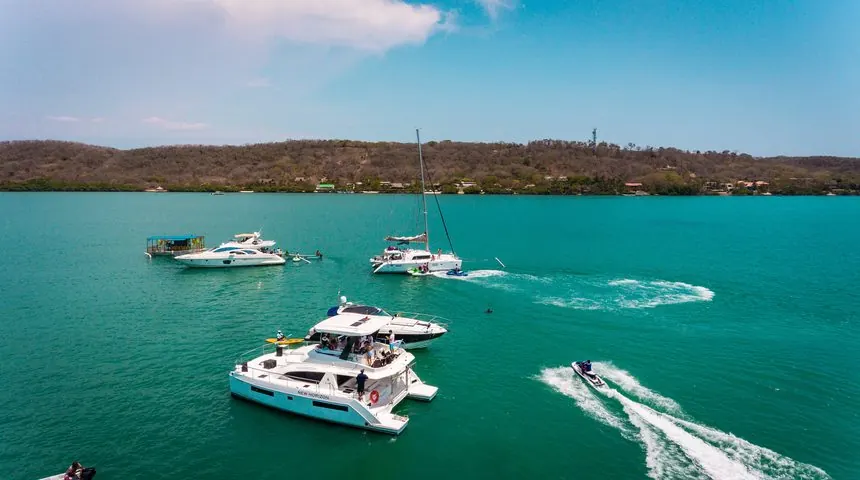
Cartagena, Colombia, stands as one of the Caribbean's most underrated snorkeling destinations. The nearby Rosario Islands (Islas del Rosario) offer pristine coral reefs, exceptional marine biodiversity, and crystal-clear waters that rival more famous snorkeling hotspots. Whether you're a first-time snorkeler or an experienced underwater explorer, Cartagena delivers unforgettable reef experiences without the crowds or premium pricing of other Caribbean destinations.
Book this route: snorkeling in the Rosario Islands — Full Day (8 hours) from $680 for the whole boat, up to 10 guests. Captain, fuel and ice included.
Get a quote on WhatsAppThe Best Snorkeling Spots in Cartagena
The Rosario Islands archipelago, located just 25-40 kilometers southwest of Cartagena's coastline, encompasses over 27 islands and hundreds of accessible reef systems. Each spot offers unique characteristics, marine life, and water conditions.
Playa Libre Reef
Playa Libre is often considered the crown jewel of Cartagena snorkeling. Located on the island of the same name, this shallow reef system sits in 12-20 feet of water and is accessible to snorkelers of all levels. The reef is dominated by vibrant coral gardens featuring staghorn, elkhorn, and brain corals that create natural underwater sculptures. You'll encounter schools of colorful tropical fish, spotted eagle rays, and occasionally nurse sharks resting on the sandy bottom. The main reef edge drops to about 25 feet, making it perfect for both beginner and intermediate snorkelers. Visibility here typically ranges from 40-60 feet during the dry season (December-March).
Isla Grande Channel
The channels surrounding Isla Grande present unique snorkeling opportunities where tidal currents bring nutrient-rich water to rocky outcroppings and coral formations. These areas attract larger pelagic fish including jacks, snappers, and the occasional grouper. The bottom composition varies from sand to rock to coral, creating diverse habitats. Water depths range from 10-35 feet. Due to the current conditions here, Isla Grande channels are better suited for intermediate to advanced snorkelers. The best visibility and calmest conditions occur in the early morning hours.
Outer Rosario Reef Walls
For more experienced snorkelers, the outer reef walls of the Rosario Islands offer dramatic drop-offs and encounters with reef-dwelling species. These walls start in 25-30 feet of water and descend steeply to 80+ feet. You don't need to descend past snorkeling depth to experience incredible marine life—many species congregate along the upper wall sections. Expect to see parrotfish grazing on coral, trumpetfish hiding among branches, and blue-striped grunts forming dense schools. These outer reefs are less crowded than the inner islands and offer a more pristine snorkeling experience.
What Marine Life Will You See?
The Rosario Islands host over 300 fish species and support healthy coral reef ecosystems. Your snorkeling experience will vary by season and specific location, but several species are reliably sighted year-round.
Fish Species: Colorful parrotfish (which create sand through coral grinding), sergeant major fish with yellow and black stripes, spotted eagle rays gliding across shallow sand flats, and nurse sharks (non-aggressive and rarely encountered on the surface). You'll also see large schools of jacks, snappers, and grunts, plus smaller species like damselfish, wrasse, and trumpetfish hiding in crevices.
Crustaceans & Other Life: Spiny lobsters, spotted lobsters, and various crab species hide in reef crevices. Sea turtles, particularly hawksbill and green sea turtles, occasionally pass through snorkeling areas, though sightings are less guaranteed than other species.
Coral & Invertebrates: Massive brain corals (some over 500 years old), delicate sea fans, soft corals, and numerous sponge species create the reef structure. Sea urchins, starfish, and sea cucumbers inhabit the reef floor. Visiting during spawning season (typically May-August) offers the bonus of witnessing coral reproduction—a natural phenomenon where corals release eggs and sperm simultaneously, creating a "underwater snowstorm" effect.
Best Time of Year for Snorkeling in Cartagena
Dry Season (December-March)
This is peak snorkeling season. Visibility reaches 50-60 feet regularly, and weather is stable. December through February brings the coolest water temperatures (around 76-78°F), which are still comfortable for extended snorkeling. Prices for charters and accommodations are highest during this period, as this is also Cartagena's peak tourism season. Booking several weeks in advance is essential if traveling during these months.
Transition Months (April-May & October-November)
These shoulder seasons offer excellent snorkeling conditions with fewer tourists and lower prices than peak season. Visibility typically remains 35-50 feet. Water temperatures warm to 78-82°F. Occasional brief afternoon showers occur, but they rarely interfere with morning snorkeling. These are ideal months for budget-conscious travelers seeking good conditions without peak-season crowds.
Rainy Season (June-September)
While not ideal, snorkeling during rainy season is still viable, especially in June and September. Visibility drops to 25-40 feet due to runoff, and afternoon thunderstorms are common. However, water temperatures peak at 82-85°F (comfortable for extended sessions), and charter prices drop significantly. The reef life remains active; you'll just see slightly less distance underwater. July-August typically brings the heaviest rainfall and should be avoided if possible.
Essential Snorkeling Equipment & What to Bring
Must-Have Gear
A well-fitting mask is absolutely essential—poor-fitting masks leak and ruin your experience. Snorkel gear is not included on Nauty 360 charters (it is available to rent — ask us on WhatsApp), so consider bringing your own mask if you know your fit preferences. Fins should fit snugly without chafing; reef booties prevent cuts from sharp coral. A snorkel tube allows you to breathe while keeping your face in the water. Wetsuits (3-5mm) protect against coral cuts and sun exposure. In Cartagena's warm water, you may only need a thin suit or rash guard.
Sun & Safety Protection
Reef-safe sunscreen (SPF 50+) is non-negotiable. Conventional sunscreen contains chemicals that damage coral; look for sunscreens without oxybenzone or octinoxate. Apply generously and reapply every 60 minutes or after exiting the water. A rash guard or UV shirt offers superior sun protection compared to sunscreen alone. Consider a lightweight snorkel vest for buoyancy control and added safety—especially valuable for less-confident swimmers.
Optional but Recommended Items
An underwater camera or GoPro captures memories. Bring a dry bag for valuables. A small towel makes the boat experience more comfortable. Anti-fog solution prevents mask fogging. A waterproof watch helps you track snorkeling time and avoid fatigue.
Private Charters vs. Group Snorkeling Tours
Private Charter Advantages
A private snorkeling charter offers a fixed 9:00 AM to 5:00 PM day that is entirely yours. You choose snorkeling locations and itinerary based on weather and your preferences. Groups are smaller (typically 4-8 people), meaning more personalized attention from the captain and guide. Private charters cost from $680 for a Full Day, depending on vessel size and group composition. For groups splitting costs, per-person prices become competitive with group tours while offering superior flexibility and experience.
Group Tour Advantages
Group snorkeling tours cost $40-80 per person and operate on fixed schedules, making planning simpler. Tours depart daily from Cartagena's main port, and companies handle all logistics. You'll meet other travelers and enjoy a social experience. Guides provide safety instruction and snorkeling tips valuable for beginners. The trade-off: fixed routes mean less flexibility, larger groups (15-30 people) can impact the intimate reef experience, and you're locked into specific departure times.
Which Should You Choose?
Choose group tours if you're budget-conscious, traveling solo, or a first-time snorkeler seeking structured guidance. Private charters suit groups wanting flexibility, experienced snorkelers seeking less-crowded reefs, and those prioritizing personalized service. Families with varying swimming abilities benefit from private charters' flexibility to adjust locations and pacing.
Reef Conservation: Snorkel Responsibly
The Rosario Islands' coral reefs face pressure from tourism, fishing, and climate change. Responsible snorkeling directly impacts reef health.
Golden Rules: Never touch coral—oils on your skin damage delicate polyps. Avoid stepping on the reef; fins should touch only sand or rock. Don't feed fish; it alters natural behavior and creates dependency. Use reef-safe sunscreen exclusively. Don't collect shells or remove any organisms. Maintain neutral buoyancy so you hover rather than drift into coral. Stay at least 3 feet away from sea turtles and large marine animals—observe without pursuing.
Support Conservation: Choose operators like Nauty 360 that participate in reef restoration projects or donate to marine conservation. Some charters contribute per-snorkeler fees to marine park management. Ask your operator about their conservation practices before booking.
What we see on every trip
- The sea is calmer for the Rosario Islands from March to November.
- Playa Blanca is less crowded before 10 AM; if you want it early, ask us to change the order.
- By lancha, the Rosario Islands are about 1 hour from Cartagena.
- Cholón is not the best stop for families with children because there are lots of people and lots of boats. For families, we recommend a beach club on the Rosario Islands.
- The question we hear most before booking: how many people fit on the boat? It depends on the boat. Tell us your group size on WhatsApp and we will recommend the right one.