Why Planning Makes the Difference
A Cartagena boat trip can be one of the most memorable experiences of your Caribbean vacation — or, if poorly planned, a stressful morning of confusion at the marina followed by disappointment at a crowded beach. The difference almost always comes down to three things: choosing the right destination for your group, selecting the right vessel, and booking with enough lead time to secure what you actually want.
This guide walks you through every step of the process, from the first Google search to stepping off the boat with a sunburn and a smile. We've pulled in tips from local captains who run these waters daily, because that knowledge is what separates a good trip from a great one.
Step 1: Choose Your Destination
Cartagena's coastline offers three distinct nautical zones, each with a different character. Your choice here determines the length of your trip, the type of vessel you'll need, and what you'll actually experience on the water.
The Rosario Islands (Islas del Rosario)
Located 35 km southwest of Cartagena, the Rosario Islands are a UNESCO-protected national park and the crown jewel of Cartagena's nautical scene. The archipelago contains dozens of small islands surrounded by coral reefs and emerald-green water with visibility that regularly exceeds 15 meters. A full-day trip here typically includes two or three snorkeling stops, a beach anchor for swimming and lunch, and the passage through open Caribbean water that makes the journey itself part of the experience.
Best for: Couples, families with older children, snorkeling enthusiasts, and anyone who wants the full Caribbean island experience. Plan for the Full Day (8 hours, 9 AM to 5 PM).
Barú Island & Playa Blanca
Barú Island lies just south of Cartagena, separated from the mainland by a narrow channel. Its most famous beach — Playa Blanca — is one of the most photographed stretches of sand in South America: blindingly white, fringed with palms, and edged by warm, calm turquoise water. The catch? It gets very crowded with public ferry passengers between 10 AM and 3 PM. Arriving by private boat before 9:30 AM transforms the experience entirely.
Best for: Beach lovers, families with young children, groups who prefer relaxing over snorkeling. A full day lets you stay until the day-trippers leave.
The Bay of Cartagena (Sunset & Evening Cruises)
The bay itself — with Cartagena's walled city and fortifications as a backdrop — is the setting for the city's most romantic charter experience. Sunset cruises depart from 6 PM, with a minimum of 3 hours, and stay in Cartagena Bay, tracing the coastline as the sky turns amber and the city lights up behind the colonial walls. No long ocean passage required; this is the right choice for first-timers, travelers with limited time, or anyone planning a special occasion.
Best for: Couples, anniversary celebrations, corporate cocktail events, first-time visitors. Evening format.
Step 2: Select the Right Vessel
The vessel type determines not just the experience but the price, capacity, and comfort level. Here's a practical breakdown:
- Private Lancha (Speedboat): Fast, nimble, and affordable. Ideal for groups of 2-12. Gets you to Playa Blanca quickly and is the best-value option for small groups. Less shade and seating comfort than larger vessels.
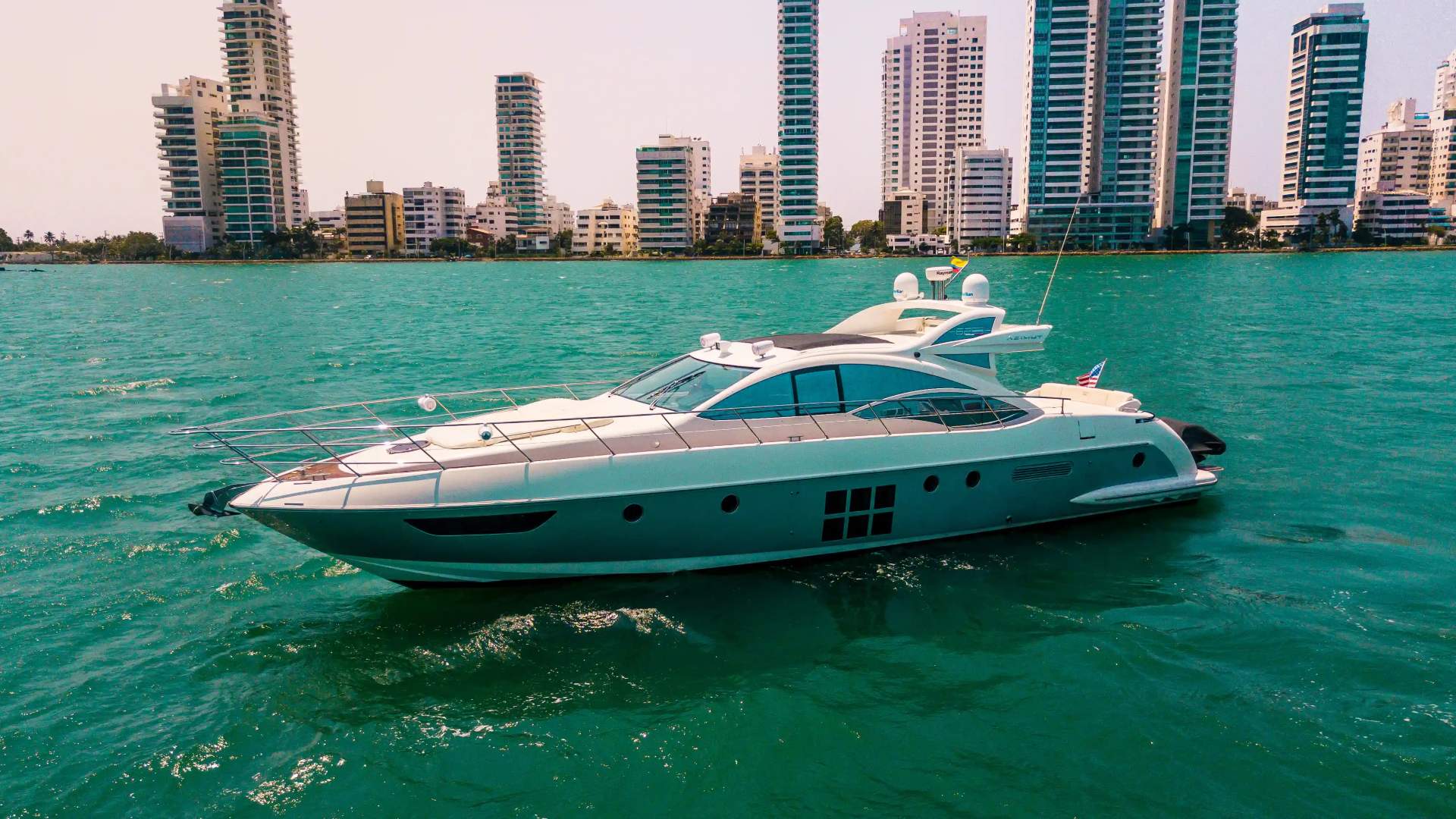
- Private Yacht (15-20 guests): The premium choice for small groups. More deck space, shaded seating, onboard bathroom, and a smoother ride on open water. Best for sunset cruises and multi-stop island trips.
- Catamaran (up to 50 guests): The gold standard for large groups. Twin-hull stability means a more comfortable ride in choppier conditions. Ideal for bachelorette parties, birthdays, and corporate events. Enough deck space for 30+ people to move around freely.
A common mistake is choosing a vessel based on price alone. If you have 8 people, a private lancha at $200 is excellent value. But if you have 8 people who want shade, a bathroom, and a proper lunch table, spending $350 on a small yacht is worth every dollar.
Step 3: Plan Your Itinerary Style
Once you know the destination and vessel, decide how structured you want the day to be. There are two broad approaches:
- Fixed-stop itinerary: The captain follows a pre-agreed route — typically two beach stops and one snorkeling stop for a Rosario Islands trip. Efficient and great for first-timers who don't know what to prioritize.
- Open itinerary: You tell the captain your interests (best reef, quietest beach, best lunch spot) and let local knowledge guide the day. This approach almost always produces a better trip, especially if you communicate clearly before departure.
Our tip: always ask your captain "Where would you take your own family today?" You'll get an honest answer that beats any fixed route.
Step 4: Booking Timeline
One of the most common questions we receive is: how far in advance do I need to book? The answer depends on your group size and the time of year.
- Small groups (2-8), off-peak season (May-November): 2-3 days' notice is usually sufficient for a lancha or small yacht.
- Mid-size groups (9-20), any season: Book at least 5-7 days ahead to ensure the right vessel is available.
- Large groups (20+) or special events: Book 2-3 weeks in advance. Popular catamarans are reserved weeks ahead on peak weekends.
- December, January, Semana Santa (Holy Week): These are Cartagena's three busiest periods. Book 3-4 weeks in advance for any vessel type. If you're arriving during New Year's week, book before you fly.
When you contact an operator, have these details ready: your travel dates, group size, preferred destination, and any special requirements (dietary needs, accessibility needs, catering preferences). A professional operator will respond within 2 hours with a specific proposal — not a vague price range.
Step 5: What to Pack
Packing correctly makes a significant difference in comfort. Here is a practical checklist for a Cartagena boat day:
- Sun protection: SPF 50+ sunscreen (reef-safe if you're snorkeling — regular sunscreen damages coral and is restricted in national park waters), UV-protective shirt for all-day exposure, polarized sunglasses, wide-brim hat.
- Footwear: Water shoes or sandals with grip. Barefoot on a wet deck is a fall risk.
- Clothing: Swimsuit plus a light cover-up or linen shirt. Bring a dry change of clothes for the ride back.
- Tech: A waterproof phone case or small dry bag. Many of the best photo moments happen on the water, and a dropped phone in salt water is unrecoverable.
- Seasickness prevention: If you are prone to motion sickness, take medication (Dramamine or Bonine) 1 hour before departure. The passage to the outer Rosario Islands involves open-ocean swells.
- Documents: A photocopy of your passport (leave the original at the hotel). Some operators require ID at check-in.
Nauty 360 full-day charters include the captain, fuel and a cooler with ice. Food, drinks and snorkel gear are not included, so bring your own (snorkel gear can be rented separately — just ask us on WhatsApp).
Step 6: Departure Logistics
On the day of your trip, understanding the marina logistics will save you stress. Cartagena charters depart from different marinas depending on the boat. Your operator should confirm the exact departure point when you book.
Arrive at the marina 15-20 minutes before your scheduled departure. Captains wait for their booked group but will not hold the dock past 20-30 minutes — tides and sea conditions are time-sensitive in the morning. If you're running late, call the operator's WhatsApp number immediately. Most operators are flexible if you communicate.
At the dock, you'll go through a brief safety briefing: life jacket locations, emergency procedures, and the day's planned route. Listen carefully — the captain knows conditions that no app or website can predict.
Tips from Local Captains
After thousands of hours on Cartagena's water, our captains have distilled the most useful advice into a handful of points that consistently improve the guest experience:
- Depart early. The best sea conditions are between 7 and 11 AM. Afternoon wind picks up and chops the water. A 9 AM departure gets you to the Rosario Islands in the best light, with the reefs to yourselves before group tours arrive.
- Eat a light breakfast. A heavy meal before an ocean crossing invites seasickness. Eat something small — fruit, toast, a light coffee — and save the appetite for lunch at the islands.
- Trust the captain on route changes. If conditions have shifted overnight and the captain suggests an alternative destination, it's not a downgrade — it's professional judgment. Captains don't change routes arbitrarily; they do it because the original plan has become unsafe or significantly less enjoyable.
- Apply sunscreen before you board. Reapply every 90 minutes. The combination of direct sun, reflected light off the water, and sea breeze means you'll burn faster than on land — even on overcast days.
- Bring more water than you think you need. Caribbean heat is deceptive. Drinks are not included, so pack plenty: active guests (snorkeling, swimming) need 2-3 liters per person for a full-day trip.
What to Expect When You Book with Nauty 360
Book online in about 3 minutes with instant confirmation on the reservations page: you see the vessel, capacity, included services, and total price before you pay. Questions? WhatsApp us and we reply within 2 hours. No vague estimates. No stranger sharing your boat.
Every charter includes a certified, bilingual captain and crew, safety equipment inspected and certified by DIMAR (Colombia's Maritime Authority), and a post-trip follow-up to confirm everything met expectations. For groups with special needs — dietary restrictions, accessibility requirements, celebration setups — these are arranged in advance, not improvised on the day.
Whether you're a couple looking for a quiet afternoon on the water or 40 guests heading to Playa Blanca for a bachelorette party, the planning process is the same: clear communication, honest pricing, and a crew that treats your day on the water as seriously as you do. See our guide to how to book a private yacht in Cartagena.