
Palancar Reef Cozumel: Private Snorkel Charter Guide, What to See & 2026 Prices
The world's second-largest reef system. Coral heads the size of buildings. Visibility to 30 meters. Drift snorkeling with zero effort. Here's what the Palancar Reef experience actually delivers — and how private and shared tours differ when you get there.
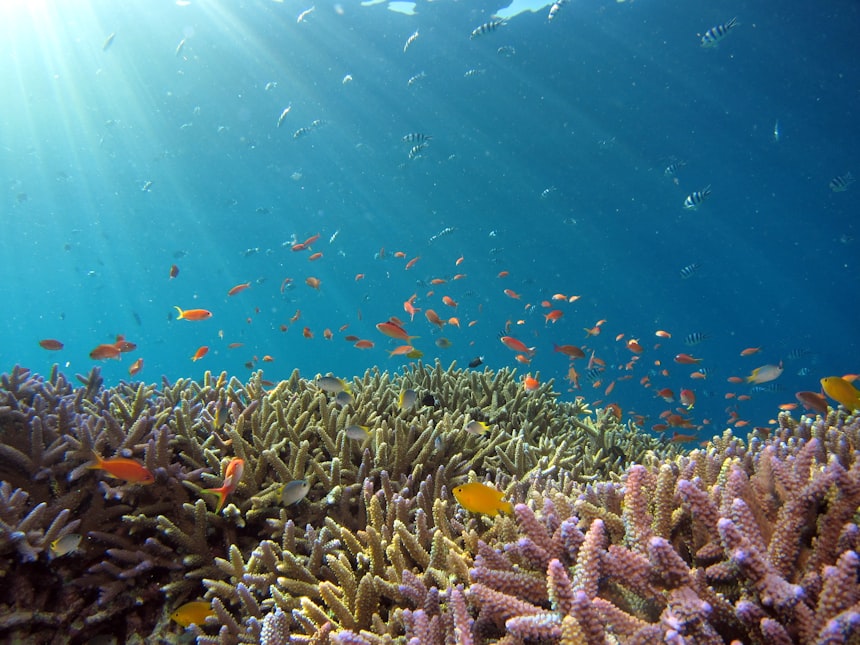
Palancar Reef is what people mean when they say Cozumel has world-class snorkeling. The site stretches 5 km along the western (leeward) side of the island, with coral heads that rise from 18 meters to within 3 meters of the surface — large enough that you can spend an entire snorkel session exploring a single formation and still not see all of it. The Caribbean current that sweeps north along this coastline carries nutrients that sustain one of the most biodiverse reef ecosystems in the Atlantic.
The practical reality: Palancar Reef is always underwater. You need a boat to get there. You need a captain who knows where the different snorkel zones are, because the reef is not a single spot but a collection of named sections with distinct profiles. And you benefit significantly from arriving before the afternoon trade winds turn the surface choppy — which happens predictably between 1 and 3 PM in most seasons. See our guide to boat charters in Cozumel.
Palancar Reef Zones — What Each Section Actually Offers
| Zone | Depth | Best For | Notes |
|---|---|---|---|
| Palancar Gardens ⭐ | 3–9 m | All skill levels — best for snorkeling | Dense coral gardens, highest fish density, calm conditions. The standard private charter stop. |
| Palancar Shallows | 3–6 m | Beginners, children, casual snorkelers | Least current, most accessible. Wide sandy channels between coral formations. |
| Palancar Horseshoe | 9–18 m | Intermediate snorkelers, strong swimmers | Dramatic horseshoe-shaped coral structure. Best viewed from the rim at 9 m. Strong drift possible. |
| Palancar Deep Wall | 18–40 m+ | Scuba divers only | Vertical wall with black coral and large pelagics. Not accessible by surface snorkeling. |
| Palancar Bricks | 6–15 m | Intermediate snorkelers | Named for the rectangular coral formations. Less visited — captains add this on full-day charters. |
Recommendation for first-time visitors: Palancar Gardens covers 95% of what makes Palancar famous and is accessible to any swimmer. Add Palancar Horseshoe if your group is comfortable in moderate drift and wants to see the structural coral formations that define the reef's reputation.
Private Charter vs. Shared Tour at Palancar — The Real Difference
The reef is the same regardless of how you arrive. The difference is everything around it:
- Zone selection: Your captain brings your private group to the specific Palancar section that matches your skill level and what you want to see. Shared tours anchor at a fixed buoy in the most-visited section.
- Time in the water: Private charters give you as long as you want at each stop. Shared tours allocate 40–60 minutes per reef site before the schedule moves on.
- Group composition: Your boat, your group only. Shared tours put 20–30 strangers on the same vessel — including children who may not be strong swimmers, groups with seasickness, etc.
Marine Life at Palancar Reef by Season
Marine life varies predictably by season. Eagle rays peak in December–March (they aggregate near Palancar Deep for mating). Sea turtles are present year-round but more active March–July during nesting season. Nurse sharks rest under coral overhangs throughout the year and are reliably visible at Palancar Gardens. Whale sharks, while they do visit Cozumel waters occasionally, are more predictably found at Isla Mujeres May–September — don't book a Palancar charter expecting whale shark encounters. See our guide to deep sea fishing in Cozumel.
Book Palancar Reef
Morning departure, your group only, captain picks the right zone. WhatsApp us — we reply within 30 minutes — or book online with instant confirmation.
💬 WhatsApp: +1 954 890 0266What we see on every trip
- The trip our guests choose most: snorkeling on the reefs.
- The sea is calmer from May to November.
- The question we hear most before booking: how many people fit on the boat? It depends on the boat. Tell us your group size and we will recommend the right one.
- Open bar and food are included. You can bring your own food and drinks.
- The captain's tip is optional.
Frequently Asked Questions
Palancar Reef is the most visited section of the Cozumel Marine Park — a 5-km stretch of reef with massive coral heads, swim-throughs, and multiple snorkel zones from 3 to 18 meters depth. Visibility varies by season. It is part of the Mesoamerican Barrier Reef, the second-largest reef system in the world after Australia's Great Barrier Reef.
Charters depart from Marina Puerto Aventuras on the mainland (Riviera Maya), about 1.5–2 hours by boat to Cozumel, as part of the full 8-hour private charter (10 AM–6 PM).
Both. Palancar Gardens and Palancar Shallows (3–9 m) offer world-class snorkeling accessible to all skill levels. The Palancar Deep Wall (18 m+) is better for certified divers. Private charter boats focus on the snorkel zones. For diving, book with a dedicated Cozumel dive shop.
November through April (dry season) brings eagle ray aggregations in December–March. May–June and September–October are rainy season. Underwater visibility varies by season and is generally best during the dry-season months.