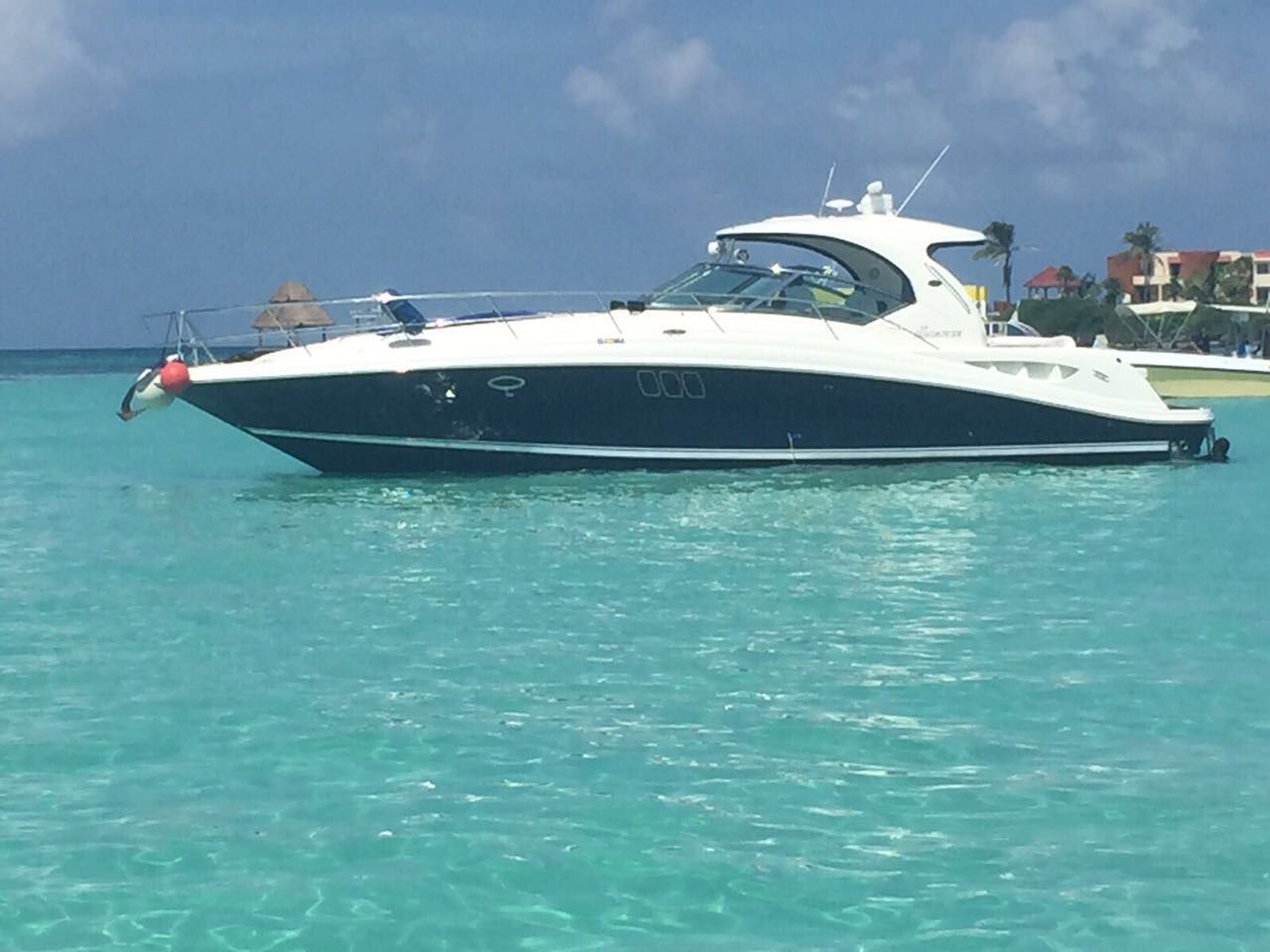
Stiltsville is one of the most unusual things you can see in Miami — six wooden houses rising from the shallow flats of Biscayne Bay, a mile south of Key Biscayne, with no road, no bridge, and no way to reach them except by boat. They've survived Prohibition raids, Category 5 hurricanes, and decades of government attempts to demolish them. Here's everything you need before you plan your visit.
The history in 4 minutes
The story starts in the 1930s when a man known as "Crawfish" Eddie Walker built the first shack on stilts over the Safety Valve sandbar, south of Key Biscayne. He sold bait, beer, and famous crawfish chowder to passing boaters. Within a decade the concept evolved: Stiltsville became a collection of invite-only clubs and private retreats favored by Miami's political class, celebrities, and anyone who wanted to entertain outside the reach of Dade County law enforcement.
By its peak in the 1960s, Stiltsville had 27 structures. Hurricanes did most of the damage — Betsy (1965), David (1979), and Andrew (1992) each wiped out multiple houses. After Andrew, only seven structures remained. The federal government ordered demolition, but the original families fought back and eventually formed the Stiltsville Trust, securing a long-term license from the National Park Service in 2003.
On January 11, 2021, the Leshaw House was destroyed by fire. Six houses remain.
Where exactly is Stiltsville?
Stiltsville sits on the Safety Valve, a shallow sandbar on the southeastern edge of Biscayne Bay, approximately 1 mile south of the Cape Florida Lighthouse at the tip of Key Biscayne. The water depth around the structures is 3–6 feet at low tide — shallow enough to anchor easily but not shallow enough to wade from Key Biscayne. To book, see our private yacht charter in Miami.
The structures are inside Biscayne National Park, which covers 95% open water and is the largest marine national park in the US. This means standard national park rules apply: no disturbing wildlife, no collecting natural materials, and no anchoring on seagrass or coral beds.
From Miamarina at Bayside in Downtown Miami, your captain heads south through Biscayne Bay, passes under the Rickenbacker Causeway and rounds Cape Florida. Travel time is approximately 30–45 minutes by lancha — longer by catamaran.
Rules: what you can and can't do
| Activity | Allowed? | Notes |
|---|---|---|
| Anchoring nearby | ✅ Yes | Sand only — never seagrass or coral |
| Mooring buoys | ✅ Yes | Available at some spots — first come, first served |
| Swimming & snorkeling | ✅ Yes | Good visibility near the structures |
| Photography | ✅ Yes | No restrictions from the water |
| Entering the houses | ❌ No | Private structures under NPS license — no unauthorized boarding |
| Anchoring on seagrass | ❌ No | Illegal — heavy fines, same as Haulover |
| Overnight mooring | ⚠️ Check NPS | Check current Biscayne NP rules before planning overnight stays |
What to see and do once you're there
Most visitors spend 1.5–2 hours at Stiltsville before moving on. Here's what works:
- Slow pass with a drone or camera — each of the six houses looks different. Some are worn and weathered, others have been recently maintained by their families. The contrast with Miami's downtown skyline visible in the distance is striking.
- Snorkeling under and around the stilts — the structures have been in place for decades and the pilings are covered in coral, barnacles, and small marine life. Visibility is generally good in calm conditions.
- Anchoring for lunch — the protected waters on the bay side of Key Biscayne are calm even when winds pick up. A private charter BYO cooler situation is ideal here.
- Wildlife — manatees are commonly spotted in the shallow water around the structures, especially in winter months. Dolphins are frequent in the channel.
Private charter vs. group Stiltsville tour — the honest trade-off
Two main operators run scheduled guided trips to Stiltsville: Ocean Force Adventures (Miami Beach Marina) and the Biscayne National Park Institute (Dinner Key Marina, Coconut Grove), the park's official non-profit. Both run roughly 2-hour group tours, and on a per-person basis they cost less than chartering a private boat.
So if your only goal is to see Stiltsville at the lowest price — or you specifically want a naturalist's historical narration — a guided group tour is the smart pick. The BNPI tour in particular includes a park naturalist, which a private captain doesn't replace.
A private charter from Nauty 360 — from $1,150 for a 4-hour charter (6-hour option available, up to 13 guests, captain, fuel and ice included) — costs more, but it buys you what a fixed 2-hour loop can't: your own schedule, your group only (no strangers on board), and the route you want. You can reach Stiltsville when the water is glassy, then carry on to Nixon Sandbar, Cape Florida or Key Biscayne at your own pace. For a group that wants the day on its own terms, that flexibility is the deciding factor — not the per-head cost.
How to combine Stiltsville with the rest of your Miami day
Stiltsville is best as part of a longer itinerary, not a standalone destination. On a private 4- or 6-hour charter departing from Miamarina at Bayside, a natural route looks like this:
- Morning (9–11am): Head south to Stiltsville. Water is calmest, light is best for photography. Anchor, snorkel, swim.
- Late morning (11am–1pm): Cape Florida / Bill Baggs State Park area — calm beach anchorage on the east side of Key Biscayne. The Cape Florida Lighthouse is the oldest standing structure in Miami-Dade County.
- Afternoon (1–4pm): Nixon Sandbar — calm and uncrowded, good for swimming and relaxing.
- Late afternoon (4–6pm): Return route through Biscayne Bay with the Miami skyline lit up behind you.
What we see on every trip
- Guests choose the four routes about equally: the sandbar, Star Island and the mansions, Key Biscayne, and the sunset on the bay.
- The question we hear most before booking: how many people fit? It depends on the boat, and each boat page shows its maximum.
- You can bring your own food and drinks.
- The captain's tip is optional. It is not included in the price and it is not mandatory.