
Virginia Key Beach by Private Boat: The Honest Rental Guide
The ferry is gone, the parking costs $10, and the best parts of the island are invisible from the road. Here is what the bus tourists miss — and how to get there by water.
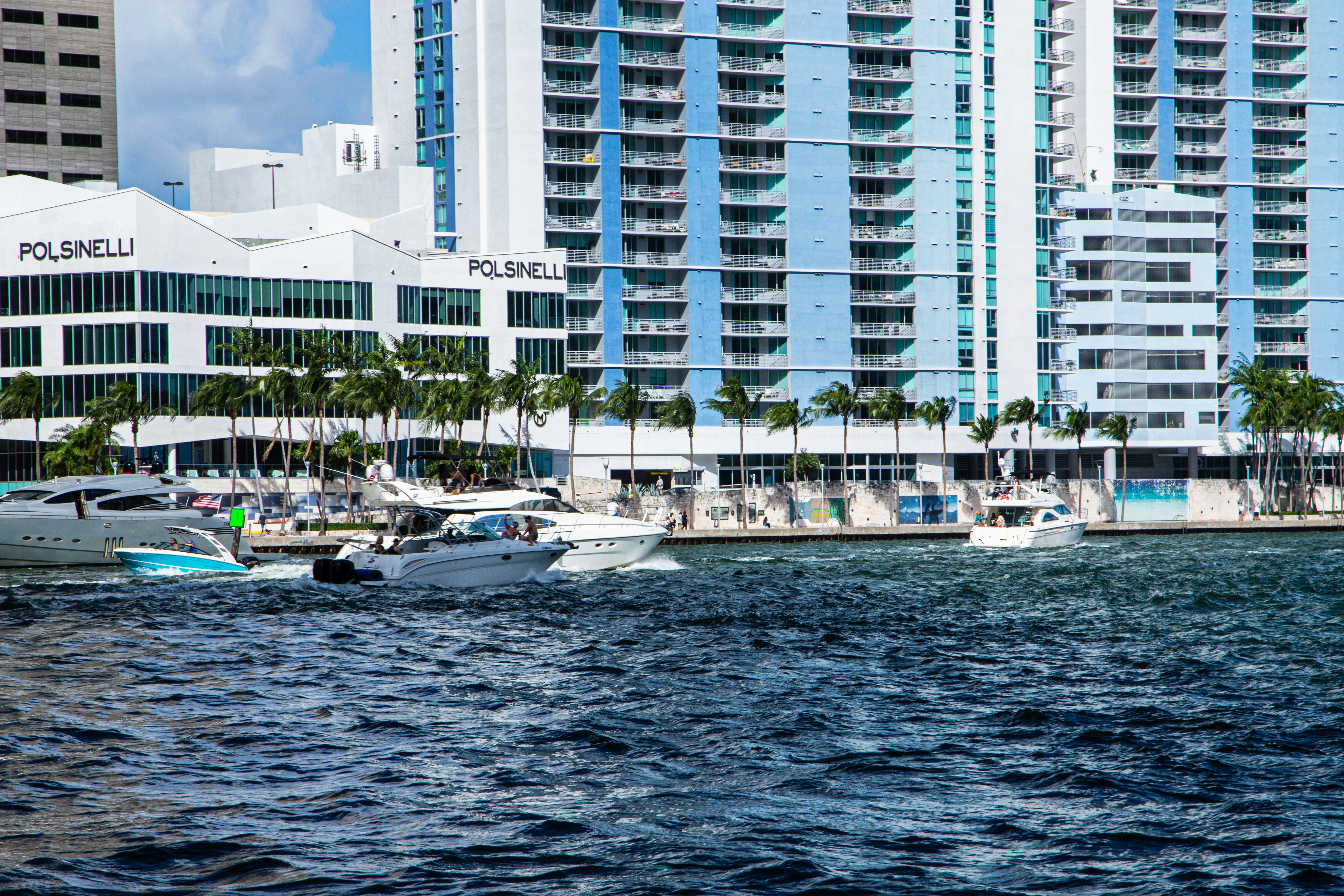
Most people find Virginia Key by driving across the Rickenbacker Causeway, paying to park, and ending up at the main beach on the north shore. It is a decent beach. It is also the part of Virginia Key that is least interesting from the water. To book, see our private yacht charter in Miami.
The better version — the shallow sandbar near Shark Point, the protected mangrove coves on the west side, the Historic Beach shoreline the park has been restoring for years — is accessible only from the water. This guide covers what you can reach by private boat, what it costs in 2026, and what most guides get wrong about ferry access.
What Makes Virginia Key Different From Other Miami Beach Destinations
Virginia Key sits in Biscayne Bay, roughly 3 miles southeast of downtown Miami. The Rickenbacker Causeway crosses its north edge and deposits cars at the main beach complex. Everything west and south of that road is mangroves, tidal flats and the Historic Beach — a mile of shoreline that was Miami’s only beach designated for Black residents during segregation, now undergoing an $8 million restoration.
Here is the piece most guides skip: the Bayside Marketplace ferry to Virginia Key was discontinued and has not been reinstated. As of June 2026 there is no scheduled water taxi from downtown Miami to Virginia Key. The only car-free nautical access is a private charter or kayak. Arriving by boat is not a luxury upgrade over a ferry that no longer exists — it is simply the only water route. And it unlocks spots car visitors cannot reach: the sandbar near Shark Point between Virginia Key and Key Biscayne, where depth drops to 2–4 feet at low tide; and the western mangrove coves that the parking lot faces away from entirely.
How Much Does a Private Boat to Virginia Key Cost in 2026
Private charters in Miami are priced by the boat and time block, not per person — which means the per-person cost drops sharply with group size. Here is the honest breakdown for a Virginia Key trip with Nauty 360:
| Charter length | Starting price | What fits in the window |
|---|---|---|
| 4 hours | from $1,150 | Virginia Key sandbar + Historic Beach shoreline + return |
| 6 hours | from $1,350 | Virginia Key + Key Biscayne loop + lunch stop |
Every charter includes a USCG certified captain and fuel. At 10 people, a 4-hour charter works out to $115 per person. Parking plus the causeway toll runs roughly $12 per car, so a group of 10 driving in two cars saves about $24 total — and misses the sandbar. The captain's tip is optional; it is not included in the charter price.
The Best Spots to Anchor at Virginia Key
Virginia Key rewards boats that know where to stop. These are the three spots worth planning around:
Shark Point Sandbar
Between the southern tip of Virginia Key and the northern edge of Key Biscayne, a shallow flat forms at mid-to-low tide. Local captains call it the Shark Point area (after the geographic point on the NOAA chart). Depth runs 2–4 feet, the bottom is hard sand, and on weekends you will find a handful of boats anchored here with people standing in the water. It is the Virginia Key equivalent of the Haulover Sandbar — lower profile, far less crowded, and accessible only by boat.
Historic Beach Shoreline
The west-facing Historic Beach is about a mile of sand backed by Australian pines, reachable by anchoring 50–100 yards offshore and swimming in or using a paddleboard. There is no dock. The restoration project has improved the beach significantly since 2022, and on weekdays it is nearly empty — unlike the main north-shore beach which fills up by 11am on weekends.
Western Mangrove Coves
Virginia Key’s western mangrove edge creates calm-water pockets ideal for snorkeling and wildlife watching. Manatees are regular visitors year-round; bonefish and tarpon move through on tidal cycles. These coves are invisible from any road — they exist only for boaters and kayakers who know to look.
Speedboat vs. Yacht: Which Boat for Virginia Key
The right boat depends on what your group wants to do once you get there. Both can reach Virginia Key; the differences are comfort, draft, and what you can do at anchor. See our guide to boat rental on Biscayne Bay.
- Center console / speedboat: best for groups who want to cover more water — Virginia Key plus Key Biscayne, or adding a Stiltsville run on the same charter. Fast transit, handles chop better, fits 8–10 people comfortably.
- Catamaran or larger yacht: best for events — birthdays, bachelorette groups, corporate half-days. More shade, more interior space, better sound system. Draft is slightly deeper so anchoring at the sandbar stays offshore, but a paddleboard or swim ladder closes the gap. See Catamaran Rental Miami for the full fleet and pricing.
Mention your priority — swimming, exploring, or celebrating — and the team matches you to the right boat from the Miami fleet.
How to Book a Private Charter to Virginia Key
Send a WhatsApp message with your date, group size, and preferences. Nauty 360 replies within 2 hours with a boat, a captain and a quote. No booking form, no hidden fees, no markup.
- Departure point: Rickenbacker or Bayside Marina — all 10–20 minutes from Virginia Key.
- Weather policy: We don't cancel for light rain. A charter is only cancelled when the maritime authority raises a red flag for bad weather — then you choose: a 100% refund or a new date. June–September: book morning departures to avoid afternoon storms.
- What to bring: sunscreen, towels, drinks. The boat has a cooler and bluetooth speakers.
Virginia Key works as a standalone 4-hour trip or paired with Key Biscayne on a 6-hour charter.
Ready to reach Virginia Key by private boat?
Tell us your date and group size — we reply within 2 hours with a USCG captain and boat. See the full fleet at yacht rental Miami.
💬 WhatsApp: +1 954 890 0266What we see on every trip
- Guests choose the four routes about equally: the sandbar, Star Island and the mansions, Key Biscayne, and the sunset on the bay.
- The sandbar is calmer on weekdays.
- The question we hear most before booking: how many people fit? It depends on the boat, and each boat page shows its maximum.
- You can bring your own food and drinks.
- The captain's tip is optional. It is not included in the price and it is not mandatory.
Frequently Asked Questions
No. When you book a private charter with a USCG certified captain, the captain holds all required licenses and handles navigation. You just show up as a passenger. Florida does require a boater education card only if you plan to operate the vessel yourself — on a captained charter that is never the case.
From marinas near downtown Miami or Coconut Grove, Virginia Key is 10 to 20 minutes by boat depending on your launch point. From Miami Beach Marina the ride is roughly 25 to 30 minutes through Government Cut and around the tip of Key Biscayne. Most charters include Virginia Key as one stop within a 4-hour loop.
Yes. The sandbar between Virginia Key and Key Biscayne near Shark Point is one of the best shallow-water swim stops in Biscayne Bay — typically 2 to 4 feet deep depending on tide. Your USCG captain will anchor safely and you can swim, snorkel, or just stand in the water. The Historic Beach shoreline also allows anchoring offshore.
November through April is the sweet spot: water is calm, humidity is low, and afternoon thunderstorms are rare. Summer (June through September) has the warmest water and longest daylight hours but afternoon storms develop quickly — morning departures before noon are strongly recommended. Water temperature in Biscayne Bay stays above 75 F year-round, so swimming is comfortable in any season.
No. The Bayside Marketplace ferry to Virginia Key was discontinued, and as of 2026 there is no scheduled water taxi service connecting downtown Miami to Virginia Key. The only car-free nautical access is a private charter or kayak. By road, Virginia Key is reachable via the Rickenbacker Causeway — parking costs $8 to $10 per vehicle and drops you on the opposite side of the island from the Historic Beach and mangrove coves.