Fishing Charter in Cartagena: The Complete Sport Fishing Guide [2026]
Target species by season, half-day vs full-day pricing explained, what's included, tournaments, and tips for first-time anglers.
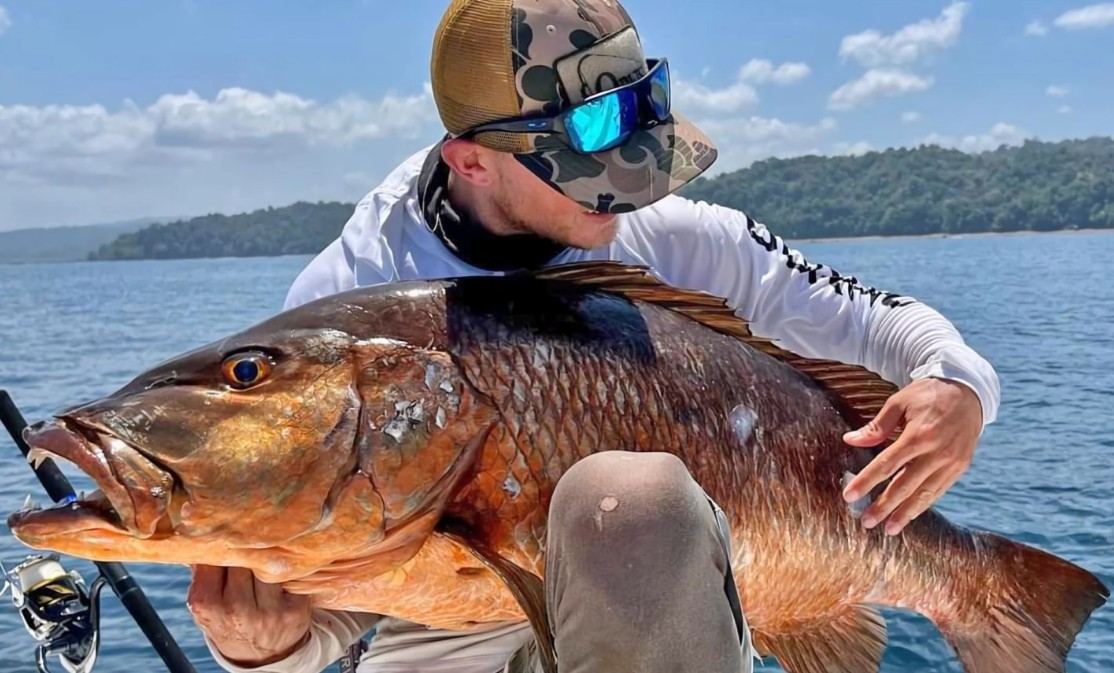
Cartagena doesn't get talked about as a fishing destination the way La Romana or Cabo San Lucas do, but the numbers hold up. The city sits on a stretch of Caribbean coastline where inshore reef structure and deeper offshore water are both within reach of a single boat, which means a charter here can genuinely offer two different kinds of fishing depending on how far out you're willing to run. Snapper and jack crevalle close to the bay, mahi-mahi and sailfish further out during the right months — it's a more complete fishery than most visitors expect.
This guide is the dedicated, complete resource on fishing charters in Cartagena — covering exactly what you'll catch and when, the real difference between a half-day and full-day charter, what a typical charter includes and doesn't, tournament fishing if that's your interest, and practical tips if this is your first time booking a sport fishing trip. If you're weighing fishing against Cartagena's other water activities — snorkeling, sailing, the Rosario Islands — the Cartagena water travel guide covers the fuller picture; this article goes deep on fishing specifically.
Target Species — What You Can Catch Off Cartagena
Cartagena's waters support both inshore and offshore sport fishing, with different target species depending on how far out you go. Knowing the difference matters more than almost anything else when you're deciding what kind of charter to book.
Inshore and Reef Species (Year-Round)
Snapper and jack crevalle, along with smaller reef species, are consistently available around the bay and nearshore structure near Tierra Bomba and the outer edges of the Rosario Islands. These fish don't require ideal offshore conditions or peak season timing — they're a reliable target any month of the year, which makes inshore fishing the safer bet if your trip dates fall outside the January-May window. Barracuda are also present in these waters, though more opportunistic — some days you'll see them, some you won't. Inshore fishing is also good for shorter charters, beginners, and anyone who wants steady action without needing to run far from the marina.
Offshore and Pelagic Species (Best January-May)
Mahi-mahi (dorado) is the single most consistent offshore target off Cartagena, with strong, reliable runs during peak season. It's also one of the better-eating fish you can bring home, which is part of why it's the species most captains build a full-day trip around. Sailfish are present in Cartagena's offshore waters and increasingly targeted by charter operators willing to run further out — they're a genuine bucket-list catch for anglers visiting from areas without billfish access. Wahoo show up seasonally and are prized both for the fight (they're among the fastest fish in the ocean) and for the table. Occasional yellowfin tuna are possible on the right day, though it isn't a fish you should count on the way you can count on mahi-mahi or sailfish during peak months — treat it as a bonus, not the plan.
Best Months and Season for Cartagena Sport Fishing
January through May is Cartagena's strongest fishing window by a clear margin. Seas are calmer, offshore conditions are more consistent day to day, and this is when mahi-mahi and sailfish activity peaks. It lines up with the broader Caribbean dry season pattern that also makes this the best window for boat charters generally in Cartagena — captains, gear, and demand all line up around the same months.
June through August brings more variable conditions, with occasional rain and less predictable offshore water. Inshore and reef fishing remain productive through this stretch regardless, since that fishery doesn't depend on the same calm-water conditions offshore pelagics need.
September through November is the least predictable window of the year, driven by higher rain frequency and occasional rough seas. Offshore trips become more weather-dependent during this period — on a given day, your captain may recommend switching the plan to inshore fishing instead, depending on conditions that morning. If your travel dates fall in this window and offshore species are the priority, build in flexibility and don't lock in non-refundable plans around a specific catch.
Departure Point and Offshore Running Time
Your marina is confirmed 1 day before departure, depending on which boat is assigned to your charter. Offshore grounds productive for mahi-mahi and sailfish are generally reached within 45 minutes to 1.5 hours of running time, depending on conditions and how far your captain needs to go to find active water that day — offshore fishing is never a fixed-distance guarantee, and a good captain will adjust the plan based on what the water is doing. Inshore and reef spots are much closer, typically 15-30 minutes from the marina.
Even anglers without extensive big-water experience can usually handle an offshore run in the January-May window, though the captain makes the call on the day. Outside that window, your captain makes the call on how far offshore is reasonable based on conditions that day — this isn't something you can plan around months in advance, which is part of why peak season remains the more predictable choice if offshore species are your goal.
Half-Day vs Full-Day — What Each Actually Gets You
This is the decision most anglers need help with when booking, and the two options aren't just "shorter vs longer" — they access meaningfully different fishing grounds and, as a result, different species.
| Factor | Half-Day (4 hours) | Full-Day (8 hours) |
|---|---|---|
| Price | From $1,350 | From $1,850 |
| Best suited to | Inshore, reef fishing, shorter offshore run | Offshore pelagic species |
| Actual fishing time | ~2–3 hours after transit | ~5–6 hours after transit |
| Realistic target species | Snapper, jack crevalle, barracuda | Mahi-mahi, sailfish, wahoo |
| Best fit for | Beginners, families, limited time | Anglers targeting pelagic species, peak season |
Half-Day Charter (4 Hours) — From $1,350
A half-day charter is best suited to inshore and reef fishing, or a shorter run to nearer offshore structure if conditions allow. It's a reasonable choice for beginners, families, or anglers with limited time in Cartagena. After accounting for the run out and back, you typically get 2-3 hours of actual fishing time — enough for reliable inshore action on snapper and jack crevalle, but not a guaranteed shot at the bigger pelagic species that require more time and distance to reach consistently.
Full-Day Charter (8 Hours) — From $1,850
A full-day charter is necessary if you specifically want a real shot at mahi-mahi, sailfish, or wahoo in deeper offshore water. The extra time lets the captain run further out and, if the first area isn't producing, search multiple spots rather than committing to one location for the whole trip. After transit, you're looking at 5-6 hours of actual fishing time — which is the standard choice for anglers specifically targeting pelagic species, particularly during the January-May peak season when those fish are most active.
Spearfishing — From $1,925
Spearfishing charters are also available, starting from $1,925 plus equipment rental.
The practical rule of thumb: if you specifically want a shot at mahi-mahi or sailfish, book the full-day charter, ideally during January-May. If you're happy with solid inshore/reef action and have limited time or budget, a half-day charter is a reasonable and more affordable option that still delivers a genuine fishing experience.
What's Included and What's Not
Nauty 360's Cartagena fishing charter runs aboard a Todomar 38 ft, crewed by 2 professional fishing crew, with room for up to 6 clients.
Most Cartagena fishing charters include a captain experienced in local fishing grounds, fishing tackle (typically Penn/Shimano-class reels and rods suited to the target species, plus outriggers and live-bait wells), safety equipment, bait, and drinks for the trip — full-day charters also include fruit and snacks. This is the baseline you should expect from any legitimate operator.
Typically included but worth confirming at booking: fuel for the trip, and any required local fishing permits or licensing. Policies vary by operator, so it's worth a direct question before you pay rather than assuming.
Usually NOT included: meals beyond what's arranged in advance, fish cleaning and filleting service (some operators offer this as a paid add-on or can point you to a dockside service that handles it), and the captain's tip, which is optional.
Always confirm the specific inclusions with your operator before booking. Charter-to-charter details vary more in fishing than in general boat rentals, since tackle quality, bait freshness, and captain fishing knowledge genuinely affect the outcome of the day.
Fishing Tournaments in Cartagena
Cartagena hosts periodic sport fishing tournaments, typically timed around the January-May peak season when offshore conditions and pelagic activity are strongest — the same logic that makes that window the best time to book a regular charter also makes it the natural window for competitive events. Tournament schedules and formats vary year to year, and the details aren't something a general charter booking will give you visibility into.
Anglers specifically interested in tournament fishing in Cartagena should confirm current-year dates, entry requirements, and format directly with local marina associations or tournament organizers rather than relying on last year's schedule — this is genuinely a detail that changes annually and is easy to get wrong if you're planning a trip around it months in advance. See our guide to sailboat rental in Cartagena.
Tips for First-Time Sport Fishing Anglers
If this is your first sport fishing charter — in Cartagena or anywhere — a few things make a real difference to how the day goes:
- Book a full-day charter if you specifically want offshore/pelagic species. A half-day charter mostly limits you to inshore fishing, which is a different (and still enjoyable) experience but won't get you a real shot at mahi-mahi or sailfish. Know which trip you're booking before you commit.
- Take motion sickness precautions in advance if you're not used to open water. Medication taken the night before and again the morning of tends to work meaningfully better than waiting until you already feel unwell offshore.
- Wear reef-safe sunscreen and reapply through the day. You'll be exposed to sun for hours with water reflection adding to the intensity — this catches first-timers off guard more than almost anything else.
- Ask your captain about technique as you go. Most captains are happy to explain what they're doing — trolling patterns, why they switch tactics, how they're reading the water — if you're curious and it's a slower stretch of the trip.
- Set realistic expectations for a shorter half-day trip. Inshore fishing is reliable but different from the "big fish" excitement of offshore pelagic species. Know what you're booking so you're not disappointed by a good inshore day because you were expecting a mahi-mahi.
- Tipping is optional. Captains and mates work hard on a fishing charter — rigging bait, running the boat, gaffing and handling fish — and the captain's tip is optional if you want to thank the crew.
How to Book Your Cartagena Fishing Charter
A deposit secures your date. Confirm target species, half-day vs full-day, and what's included — tackle, bait, licensing — at the time of booking rather than assuming. See our guide to corporate yacht charters in Cartagena.
Fishing is one piece of what's reachable by water from Cartagena. For the complete picture of everything else — snorkeling the Rosario Islands, sailing, kayaking the mangroves — the Cartagena water travel guide covers the fuller range; this article remains the dedicated, complete resource specifically for fishing. See our guide to overnight and multi-day charters in Cartagena.
If you're also considering Nauty 360's other fishing destination, the La Romana fishing charter guide covers our Dominican Republic sport fishing option, with offshore grounds in the Mona Passage that Cartagena's waters don't offer at the same scale.
Ready to book your Cartagena fishing charter? Captain, tackle, and bait included. Half-day from $1,350, full-day from $1,850. Instant confirmation.
Chat on WhatsApp — Book Your Fishing CharterReady to book? Book your fishing charter and confirm availability for your dates, or explore the full range of vessels on the private boat charter in Cartagena page.
Frequently Asked Questions
Related Guides