Playa Blanca Colombia: Complete Guide to Getting There by Private Boat [2026]
Every transport option compared, what to expect on the beach, best time by season and by hour, and the insider tactics to arrive before the crowds.
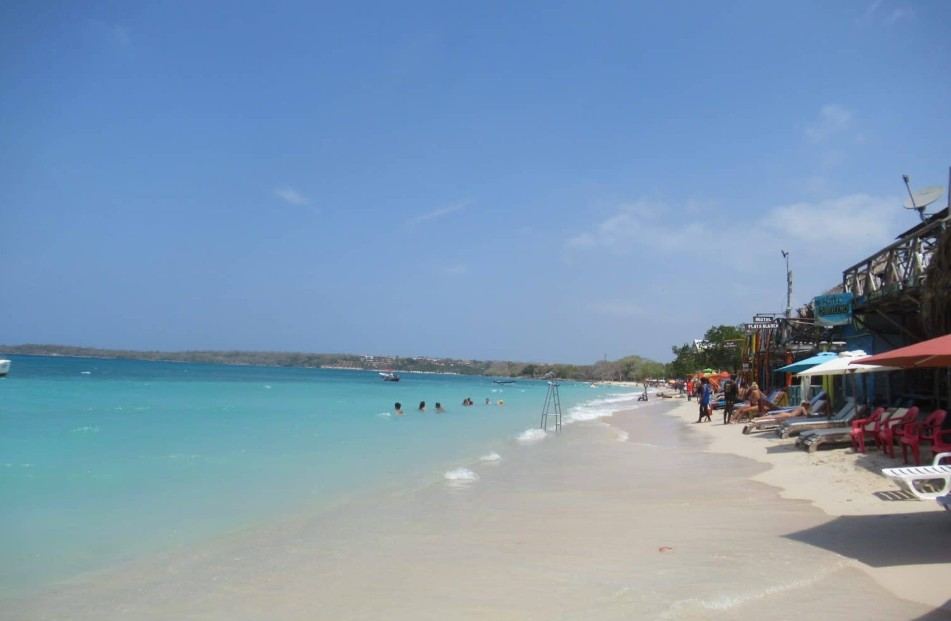
Every conversation about beaches near Cartagena eventually arrives at the same place: Playa Blanca. It shows up first on every “best beaches in Colombia” list, it fills the Instagram feeds of every travel blogger who passes through the city, and it is the destination that nearly every Cartagena visitor considers at least once. The reputation is, for once, earned — Playa Blanca is genuinely one of the most beautiful beaches in South America.
But the experience of visiting Playa Blanca varies more than any single destination near Cartagena. Arrive at 8am on a Tuesday in May and you have a near-empty stretch of white sand with turquoise water and almost no one else there. Arrive at 11:30am on a Saturday in January and you share the beach with several thousand people who all took the same morning boat from Cartagena. This guide exists because the difference between those two experiences is almost entirely within your control — and the primary lever is how you get there. For a comparison of all the beaches near Cartagena, that guide is a useful starting point.
What Makes Playa Blanca So Special?
Playa Blanca sits on the southern tip of Isla de Barú, a peninsula separated from the Colombian mainland by the Canal del Dique — a canal constructed by Spanish colonizers in the 17th century to connect the Magdalena River to the Bay of Cartagena for trade. The island’s geographic isolation from the mainland is what preserved its beaches. Playa Blanca itself remained a small fishing community with minimal tourist infrastructure until the mid-2000s, when word spread about the quality of the sand and water. Today it is the most visited beach destination from Cartagena, receiving hundreds of visitors on a typical day and well over a thousand during peak season weekends.
What earns it that attention: the sand is genuinely fine and white, without the volcanic rock, seagrass, or dark mineral deposits that interrupt the shoreline at many other beaches in the Caribbean. The water is shallow — warm, turquoise, and rarely above chest height for the first 50–80 meters out from shore — making it accessible to non-swimmers and families with young children. And at 14 km in total length, Playa Blanca is long enough that even on a busy day, walking 20 minutes in either direction from the main arrival point gets you to a noticeably quieter stretch of sand. The vendors, the groups, and the noise concentrate almost entirely in the first kilometer where the boats anchor.
The one honest caveat: Playa Blanca is not a snorkeling destination. The water near the beach is beautiful but the reef structure and water visibility do not compare to the Rosario Islands, 45 minutes north. If your group’s primary goal is snorkeling or reef exploration, the Rosario Islands are the better destination. If your goal is a great Caribbean beach day with fresh lobster on the sand and water you can wade into without swimming experience, Playa Blanca is unmatched in the region.
How to Get to Playa Blanca from Cartagena
With Nauty 360, Playa Blanca is a stop on the Full Day charter to the Rosario Islands — not a separate boat-only trip. If you are not booking a private charter, there are other realistic options that differ in cost, travel time, and — most importantly — what time you arrive at the beach relative to the crowds.
Private Full Day Charter (Includes Playa Blanca)
Nauty 360 does not sell a boat trip just to Playa Blanca. Playa Blanca is a stop on the private Full Day charter to the Rosario Islands, which runs a fixed 9:00 AM to 5:00 PM (8 hours) departing from Marina Manga or La Bodeguita dock. Your captain builds the day around your group's priorities — more time at Playa Blanca, more time snorkeling at the Rosario Islands, or a mix of both.
Full Day pricing starts at $680 for a speedboat (up to 10 passengers), from $1,250 for a larger speedboat (40 ft+), from $2,480 for a 42 ft catamaran, and from $2,850 for a yacht (60 ft+) — captain and fuel included. Split among 8–10 people on the standard speedboat, that is $68–85 per person. The captain holds a DIMAR certification (Colombia’s maritime authority), the boat carries required safety equipment, and you have a direct line to the operator if conditions change. For vessel options, see the Cartagena charter page.
Because the schedule departs at 9:00 AM sharp, the private charter still reaches Playa Blanca well ahead of the shared lanchas and group tours, which depart later from Muelle Turístico and arrive between 10am and 11:30am. That earlier, fixed start is the most reliable crowd-avoidance advantage of going private.
For the Rosario Islands side of the same charter, see the Rosario Islands private boat page.
Lancha Colectiva — $15–20 per person
The lancha colectiva is the most common way day-trippers reach Playa Blanca. Shared wooden boats depart from Muelle Turístico in the Bocagrande area of Cartagena. There are two route variations: a direct lancha that goes straight to Playa Blanca (rarer, slightly faster), or the more common combination route of lancha to Pasacaballos, ferry across the canal, then mototaxi across the Barú Peninsula to the beach.
Total travel time on the combination route is 2–2.5 hours from Cartagena. Departure is fixed at 7:30–8:30am — miss the window and you wait for the next boat. Return is equally fixed at 3–4pm, regardless of how much time you want to spend at the beach. The practical result is that the lancha puts you at Playa Blanca at the same time as every other shared boat and pulls you out early in the afternoon. For a solo traveler on a tight budget who simply wants to see the beach, the colectivo is viable. For anyone who wants flexibility, a private beach window, or a comfortable ride, the limitations compound quickly.
Organized Group Tour — $40–60 per person
Organized group tours depart from hotels and tourist agencies in Cartagena and typically include hotel pickup, boat transport, a guide, and sometimes a basic lunch. Prices range from $40 to $60 per person and the day runs 8–10 hours including transfers. The advantage over the colectivo is logistical simplicity — everything is arranged, the guide manages vendor interactions, and there is someone to contact if something goes wrong.
The disadvantage is that you travel with a group of strangers on a fixed itinerary and arrive at Playa Blanca on the same schedule as the lancha colectiva crowd. For solo travelers or couples who want structure without the hassle of managing their own logistics, a group tour is reasonable. For families, groups of friends, or anyone who values their time on the beach over convenience, the price premium of a private charter is worth it.
Private Car + Ferry (DIY Route) — ~$15–25 per person
It is also possible to reach Playa Blanca overland. From Cartagena, take a taxi or Uber to Pasacaballos (30–40 min, roughly $10–15 for the car), take the ferry across the Canal del Dique (~$2,000 COP per person), then hire a mototaxi from the Barú side to the beach (20–25 min, ~$10,000–15,000 COP). Total cost per person runs $15–25 with some flexibility depending on negotiation and group size.
The route is slower than it sounds — 1.5–2 hours total with all connections going smoothly, longer if the ferry has a queue. The road on the Barú Peninsula is unpaved and rough. It is the most affordable option and gives you more arrival time flexibility than the colectivo, but it requires comfort with DIY travel logistics in a region where English is not widely spoken.
| Transport | Time | Cost per person | Flexibility | Crowd arrival |
|---|---|---|---|---|
| Private Full Day charter | About 35 min | $68–85 (group of 8–10) | Itinerary | Early (9am, fixed) |
| Lancha colectiva | 2–2.5h | $15–20 | None | With the crowd (10–11am) |
| Group tour | 2h | $40–60 | None | With the crowd |
| Car + ferry (DIY) | 1.5–2h | $15–25 | Moderate | Variable |
What to Do at Playa Blanca
Playa Blanca is, at its core, a beach day destination. There is no structured park, no admission fee, and no official itinerary. What you do there is largely up to you — which is part of the appeal. Here is what is actually available:
- Swimming: The water is warm (26–28°C year-round), shallow, and calm. The sandy bottom near the shore makes it comfortable for all ability levels. The deepest point directly in front of the main beach is about 1.5 m, making it one of the more accessible Caribbean beaches for non-swimmers.
- Snorkeling: There are coral formations 10–15 minutes by lancha from the main beach. Equipment rental is available from vendors (~$10–15 per person). The coral at Playa Blanca does not compare to the Rosario Islands in quality or visibility, but it is a reasonable option if you want a brief underwater look. If serious snorkeling is a priority, consider a route that combines with a Rosario Islands stop instead.
- Hamacas: Local vendors rent hammocks strung between palm trees along the beach ($5,000–10,000 COP). Negotiate before sitting down — vendors sometimes assume a higher price if you sit first.
- Walking the full beach: The vast majority of visitors stay within the first kilometer of the main landing point. Walking 20–30 minutes in either direction takes you to progressively quieter sand. The far ends of the beach are nearly always uncrowded, even during peak season.
- Kayak rental: Some vendors offer basic single kayaks ($10,000–15,000 COP per hour). Good for exploring the shoreline without getting in the water.
- Sunset (if staying overnight): The western exposure of the beach makes the sunset from Playa Blanca exceptional. If you are staying in a cabanña, this alone justifies the overnight.
Where to Eat at Playa Blanca
The food situation at Playa Blanca is better than most guides suggest, and more expensive than it looks at first. Dozens of small kiosks and vendors line the main section of the beach, selling fresh seafood directly from coolers and portable grills. The range is genuinely good: ceviche de camarones, grilled whole lobster, coconut rice, patacones, fried fish, and fruit cocktails made to order.
Prices are inflated relative to Cartagena — expect to pay $15,000–35,000 COP for a main dish, $8,000–15,000 COP for drinks. The insider move: walk past the first row of vendors when you arrive. The kiosks closest to the boat landing charge the most aggressive prices and are quickest to add unordered items to your bill. The same food costs noticeably less from vendors 300–400 meters down the beach, who tend to quote prices upfront without the hard sell.
Lobster at Playa Blanca is worth ordering. Local grilled lobster runs $12–18 USD per piece, cooked to order in front of you, and the quality is genuinely high compared to what the same price buys in Cartagena’s tourist restaurants. Negotiate the price before the lobster goes on the grill — after it is cooked, the leverage shifts entirely to the vendor.
One practical note for private charter groups: if you are going on a full vessel with Nauty 360, you can bring your own cooler with drinks and snacks, or arrange catering through the team. Eating and drinking on the boat before anchoring near the beach often makes more financial sense than buying everything from beach vendors, particularly for groups of 6 or more.
Best Time to Visit Playa Blanca
Two variables control the Playa Blanca experience: the season (which determines weather, water conditions, and total crowd volume) and the hour of arrival (which determines your personal experience regardless of season).
By season:
- December–April (dry season): The best weather window. Clear skies, calm seas, and water clarity at its peak. Also peak tourist season, especially January–March and Semana Santa (Easter). Book transport 2–4 weeks in advance during these months. January weekends and Carnaval de Barranquilla (usually February) are the single busiest periods of the year.
- May–June (shoulder season): Occasional afternoon rains but excellent value. Fewer crowds, lower accommodation costs if staying overnight, and the water often turns a slightly deeper blue-green after rains. One of the best windows for a relaxed visit.
- July–August (high season): Summer vacation traffic from Colombia and international visitors. Busy, but manageable with an early private boat departure.
- September–October (rainy season): The wettest months. The beach is still accessible and beautiful between rain episodes, but sea conditions can be rougher and some shared boat services reduce frequency. Best avoided if you have flexibility.
- November: Improving weather and thinning crowds before the December peak begins.
By hour of the day — the variable that matters most:
- Before 10am: The best window on the beach, regardless of season. Near-empty sand, fewer vendors set up yet, golden morning light, calm water. A private Full Day charter (departing Cartagena at 9:00 AM) lands here around 9:30–9:45am, well ahead of the shared boats; staying overnight is the other way to catch it.
- 9–11am: Gradual arrival of the early group boats. Beach starts to fill.
- 11am–2pm: Peak crowds. The 150+ shared lanchas from Cartagena have arrived. This is when the photos that make Playa Blanca look overcrowded are taken.
- 2–4pm: The colectivo boats start leaving with their groups. The beach progressively empties over this window.
- After 4pm: With a private charter, staying for the late afternoon and sunset return is the most underrated option. The beach by 4:30pm has a fraction of the midday crowd and the light is ideal.
Tips to Avoid the Crowds at Playa Blanca
The single most impactful thing you can do is book the private Full Day charter, which lands well ahead of the shared boats. Everything else on this list is secondary to that. Here are the specific tactics that work:
- Book a private Full Day charter. It departs at a fixed 9:00 AM and reaches Playa Blanca in about 35 minutes — well ahead of the colectivo boats, which leave around the same time but take 2+ hours via the slower route. You still get real time on the beach before the main crowd wave arrives between 10am and 11:30am.
- Visit midweek (Tuesday–Thursday). Weekend volume is 2–3x higher than weekday volume across all months. Tuesday mornings in shoulder season are when the beach is at its quietest.
- Avoid the first weekend of Carnaval de Barranquilla. Carnaval (typically February) sends a surge of Colombian domestic tourists to Playa Blanca. It is the most crowded weekend of the year, bar none.
- Walk east along the beach. From the main boat landing point, walking 20–30 minutes east (toward the far end of the 14 km beach) takes you to sand that is 80–90% less crowded than the arrival zone, even during peak hours.
- If taking the colectivo, take the 7am departure. The first boats of the morning arrive before the main wave. Every 30 minutes of delay at departure translates to a worse arrival window.
- Stay overnight on a Sunday. Sunday night is the quietest night of the week at the beach cabanas. You wake up Monday morning with near-empty sand while the weekend crowd has already left.
- Set a meeting point with your captain before separating. The beach gets noisy and disorienting by mid-morning. Establish a landmark and return time with your captain or guide before you scatter — phone signal is unreliable in some areas of the beach.
- Bring cash in Colombian pesos. No ATMs on the beach, and the few vendors who claim to accept cards charge a premium. Smaller denominations ($10,000 and $20,000 COP notes) make negotiating easier and reduce the risk of being shortchanged on large bills.
Private Full Day charter from Cartagena, with a stop at Playa Blanca — from $680 for the full vessel. Captain and fuel included, up to 10 passengers, departs 9:00 AM. Confirmation in 2 hours.
Chat on WhatsApp — Book Your Full Day CharterFrequently Asked Questions
Related Guides